Wellness guides
Why Your Morning Routine Matters More Than Your Night Routine
Discover why your morning routine can impact hydration, digestion, mood, and daily energy more directly than most night habits.
Read time
6 min read
Published
April 9, 2026
Sections
11 sections
Jump to section

Many people focus heavily on night routines. They talk about sleeping early, reducing screens, and eating dinner on time. These habits are important, but what happens after you wake up can influence your day even more directly.
Your morning routine affects hydration, digestion, mood, focus, hunger, and activity levels for the next several hours. If the first part of the day is rushed or neglected, the whole day can feel heavier. When the morning is structured well, energy and decision-making usually improve.
This is why your morning routine often matters more than your night routine in practical day-to-day health.
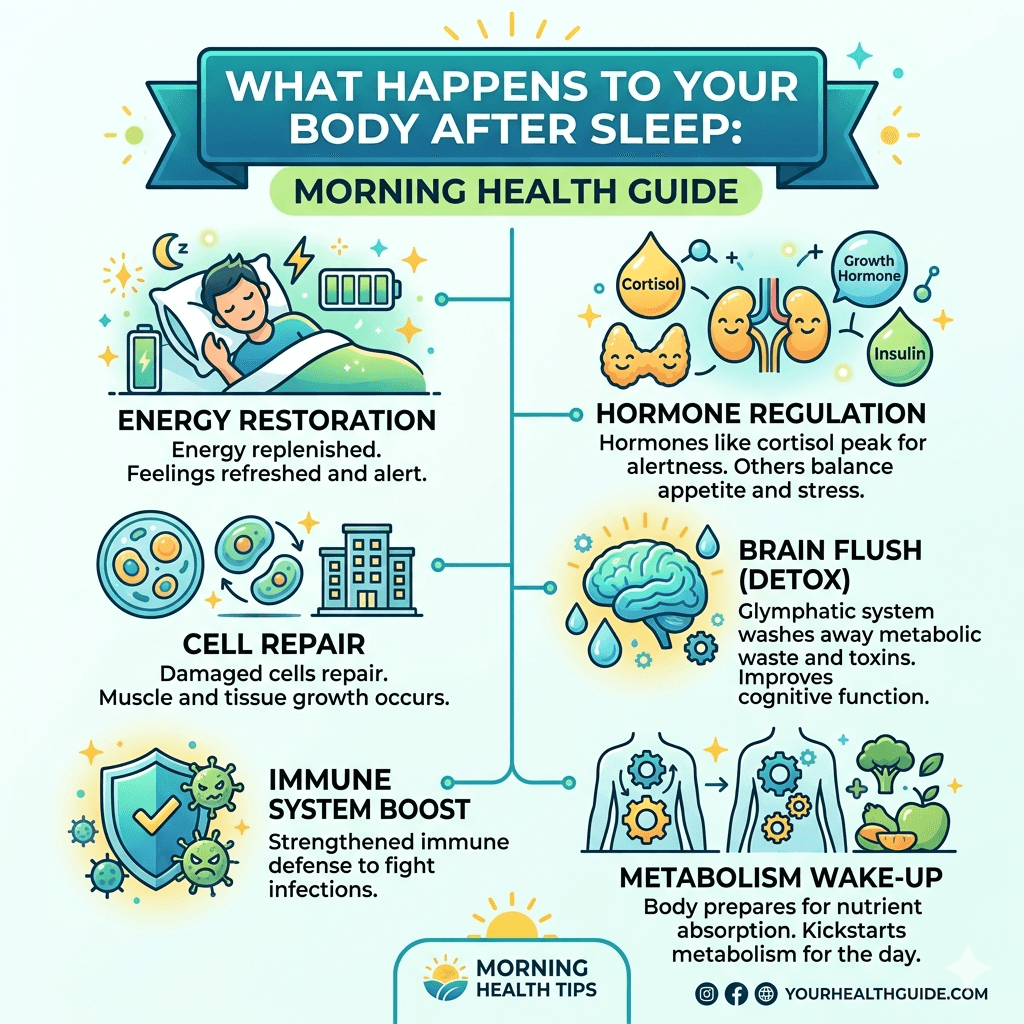
Your body feels different after sleep
After 7 to 8 hours of sleep, your body wakes up in a different state:
- no fluid intake for many hours
- lower morning hydration
- empty stomach after overnight fasting
- slower early digestive momentum
This is why many people wake up with:
- dry mouth
- low energy
- mild headache
- heaviness
- irregular bowel movement feeling
- lower freshness
The first 30 to 60 minutes after waking can influence how you feel through the entire morning.
Hydration is the first thing your body needs
A common morning mistake is starting immediately with tea or coffee. After sleep, hydration is usually the first requirement.
Drinking water after waking can support:
- digestive activation
- circulation rhythm
- freshness and alertness
- day-start hydration
- appetite balance
Some people use warm water, while others prefer lemon water, coconut water, or chia-based drinks depending on weather and routine.
If you want a practical drink idea, read Coconut, Amla, and Chia: Why This Combination Is Becoming Popular.

Digestion starts in the morning
Morning digestion influences comfort for the entire day. If digestion feels slow after waking, many people experience bloating, low appetite quality, or unstable meal timing later.
This is one reason more people include simple digestion-friendly ingredients in morning routines, such as:
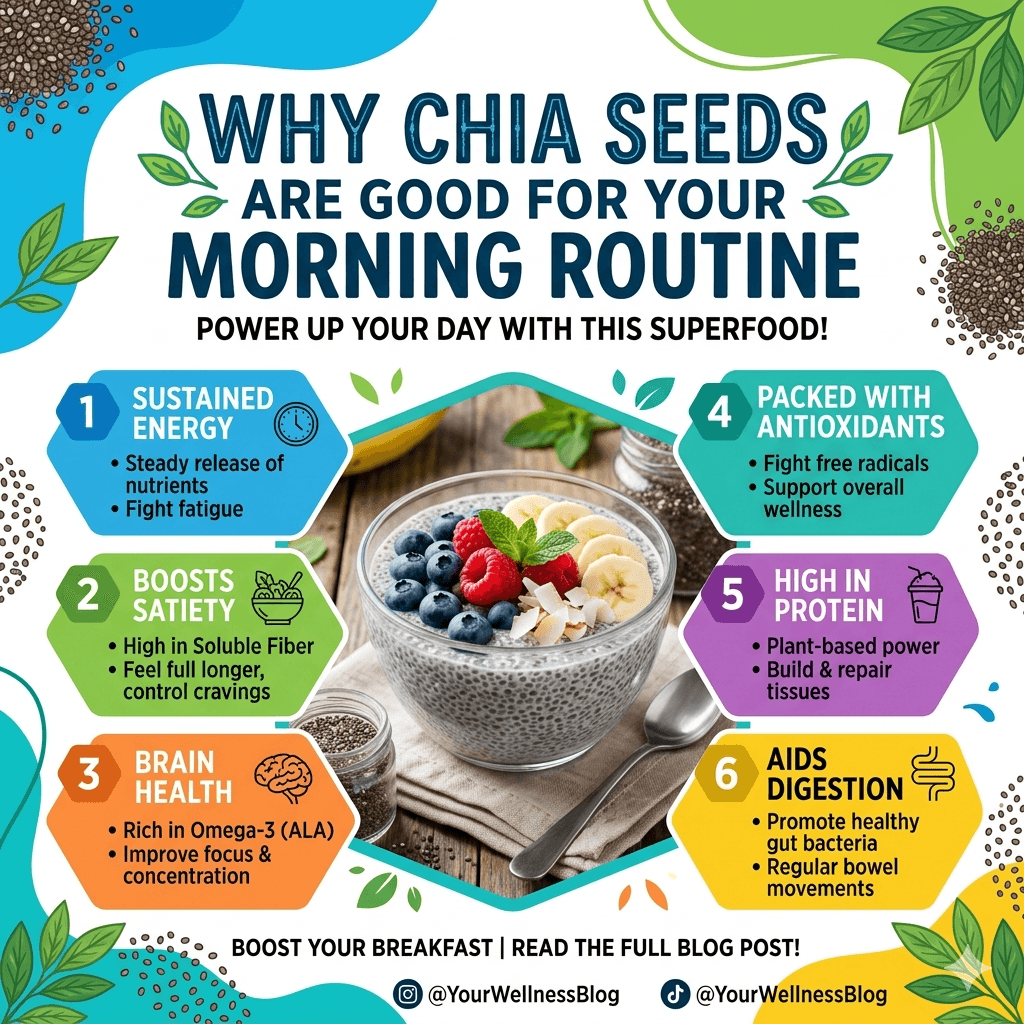
- chia seeds
- amla
- lemon
- ginger
- mint
- coconut water
Chia seeds are especially common because they are easy to use and add fiber-focused support to morning hydration habits.
For product details, explore Chia Seeds.
Morning sunlight can improve mood and energy rhythm
Morning sunlight is one of the most practical natural habits. Even 10 to 15 minutes of light exposure after waking can support:
- better mood rhythm
- improved daytime alertness
- healthier sleep timing later
- general wellness consistency
Many people now work indoors most of the day, so this small habit becomes even more valuable.
A good morning routine improves food choices later
Morning decisions often influence afternoon and evening behavior. People who begin with hydration, movement, and a light balanced breakfast are usually less likely to overeat or rely on sugary snacks later.
On the other side, skipping hydration and breakfast can lead to:
- stronger cravings
- early energy dips
- overeating in later meals
- reduced focus and productivity
This is why morning routines are not only about feeling good at 8 AM. They also affect food and energy decisions at 1 PM and 6 PM.
Morning habits that can make a big difference
A healthy morning routine does not need to be complicated. Simple habits repeated daily usually work best.
Practical morning habits
- drink water soon after waking
- get 10 minutes of natural light
- stretch or walk for a few minutes
- eat a light balanced breakfast
- include seeds like chia or flax in meals
- delay phone scrolling for a short window
- reduce added sugar in early morning foods
These are small actions, but together they can improve digestion, mood, and consistency.

Why tea or coffee alone is not enough
Tea and coffee can help you feel awake, but by themselves they do not replace hydration and nutrient intake. Many people feel an early boost, followed by an energy dip if hydration and breakfast are skipped.
A more balanced morning pattern can include:
- water first
- natural ingredients
- light movement
- breakfast with fiber and protein
- then tea or coffee if preferred
This sequence tends to work better than caffeine-first routines for many people.
Common morning routine mistakes
Small daily errors can reduce morning quality:
- drinking tea first before water
- skipping hydration
- delaying breakfast too long
- starting with high-sugar foods
- no movement after waking
- inconsistent sleep/wake timing
Avoiding these patterns can improve day-long energy without complex plans.
A simple 30-minute morning routine template
If you want a practical structure, use this:
| Time after waking | Habit | Why it helps |
|---|---|---|
| 0 to 5 minutes | 1 glass water | Rehydrates after sleep |
| 5 to 15 minutes | Light movement + sunlight | Supports alertness and mood |
| 15 to 25 minutes | Natural drink or fruit | Helps digestive rhythm |
| 25 to 35 minutes | Light breakfast | Improves energy stability |
This kind of structure is easier to follow than complicated routines.
Natural morning routine ideas
If you want variety through the week, you can rotate simple options:
- coconut + amla + soaked chia drink
- warm lemon water with light fruit breakfast
- curd bowl with chia seeds and nuts
- smoothie with seeds and fruit
- oats with chia/flax toppings
For related reading, continue with:
Conclusion
Your morning routine matters because it shapes hydration, digestion, mood, and food choices for the rest of the day. Night routines remain important, but the first hour after waking often decides how your body and mind perform.
Simple habits like water, sunlight, light movement, and nutrient-aware breakfast choices can create steady improvements over time.
Small morning actions, repeated daily, can produce meaningful long-term health benefits.
Explore Agree
Continue from article reading into product pages, FAQs, and direct support if you want to know more.