Wellness guides
Best Foods for Hair Growth in India (2026) - Natural Superfoods Guide
A practical guide to the best foods for hair growth in India, from protein-rich staples to superfoods like chia seeds that support healthier hair from within.
Read time
8 min read
Published
March 18, 2026
Sections
6 sections
Jump to section
Hair health is often treated like a surface problem, which is why so many people begin with oils, shampoos, serums, or salon treatments. Those can be part of a routine, but they are not the whole story. Stronger, shinier, healthier hair often depends just as much on what happens in the kitchen as what happens in front of the mirror.
That is why the conversation around the best foods for hair growth in India has become so relevant. Stress, inconsistent meals, low-protein diets, sugary snacking, and nutrient gaps can all affect how hair looks and feels over time. A more balanced food routine can support hair strength naturally, especially when it includes enough protein, healthy fats, minerals, and whole-food variety.
This guide looks at foods for hair growth India shoppers can realistically include in daily life, explains why diet matters, and highlights how natural superfoods can support a steadier hair growth diet. If you want to begin with pantry staples that fit everyday routines, you can start with the broader Agree Superfoods range and browse the current products collection.
Why diet matters for hair growth
Hair is largely made of protein, and healthy growth depends on a steady supply of nutrients that support follicles, scalp health, and normal body repair. When those nutrients fall short, hair may become weaker, thinner, duller, or more prone to breakage.
Some of the most important nutrients linked with healthy hair include:
- protein for the structure of hair strands
- iron for oxygen delivery to hair follicles
- omega-3 fats for scalp and follicle support
- vitamin C to support collagen formation and iron absorption
- vitamin E and other antioxidants that help protect cells
- biotin and other B vitamins that support normal metabolic processes
Nutrient gaps are not the only reason hair fall happens, but they are one important piece of the picture. Harvard Health notes that vitamin and mineral deficiencies can contribute to hair loss, and that most people do best by meeting their needs through a balanced diet rather than relying on supplements alone. You can read that background here: Vitamins, minerals, and hair loss: Is there a connection?.
If hair fall is sudden, severe, patchy, or tied to illness or hormonal changes, diet may not be the only cause. In those cases, it is worth speaking with a qualified clinician instead of assuming food alone will solve it.
Best foods for hair growth
The best foods for hair growth are usually not exotic miracle ingredients. They are foods that consistently provide protein, healthy fats, minerals, and antioxidants in a form people can actually keep eating.
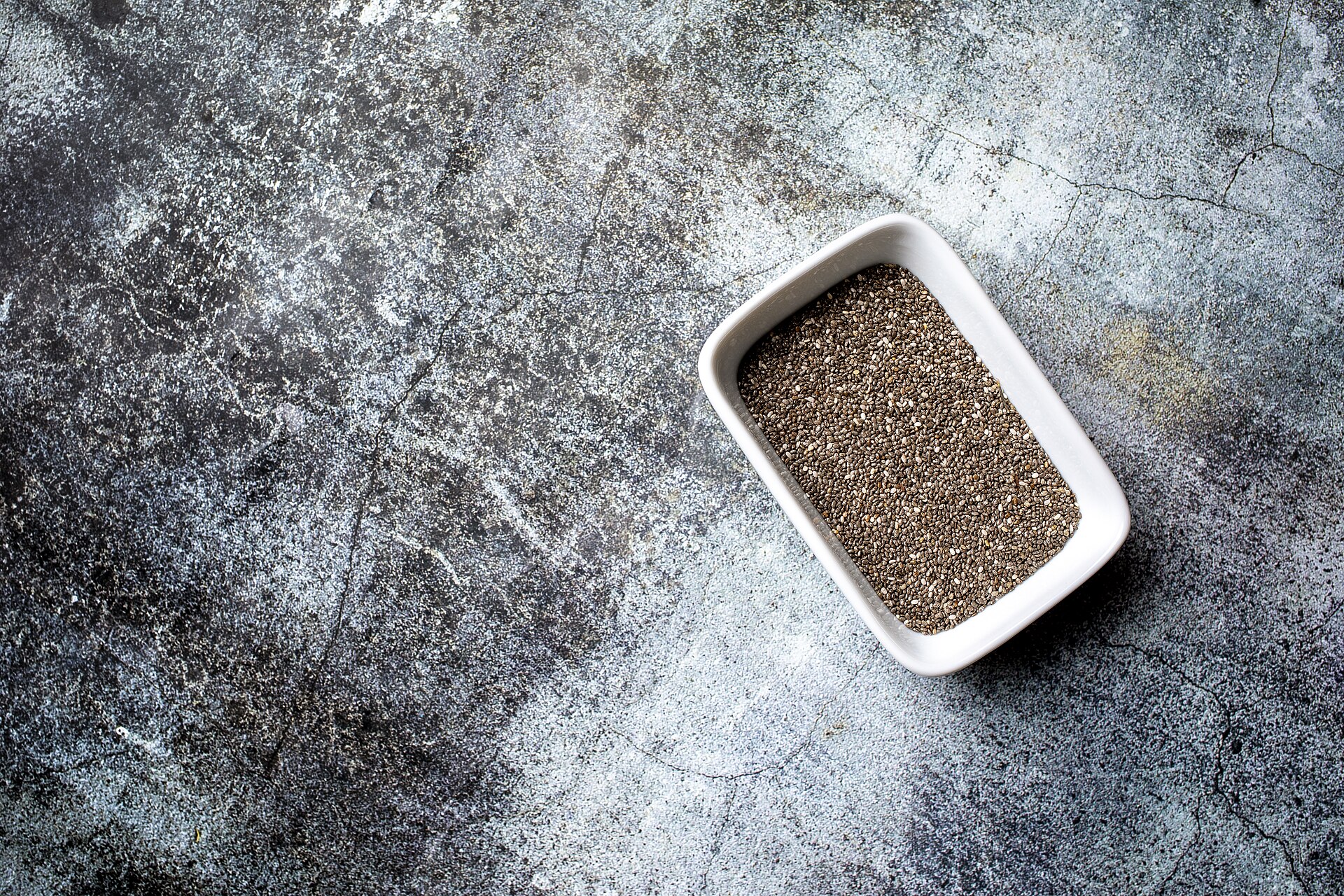
Chia seeds
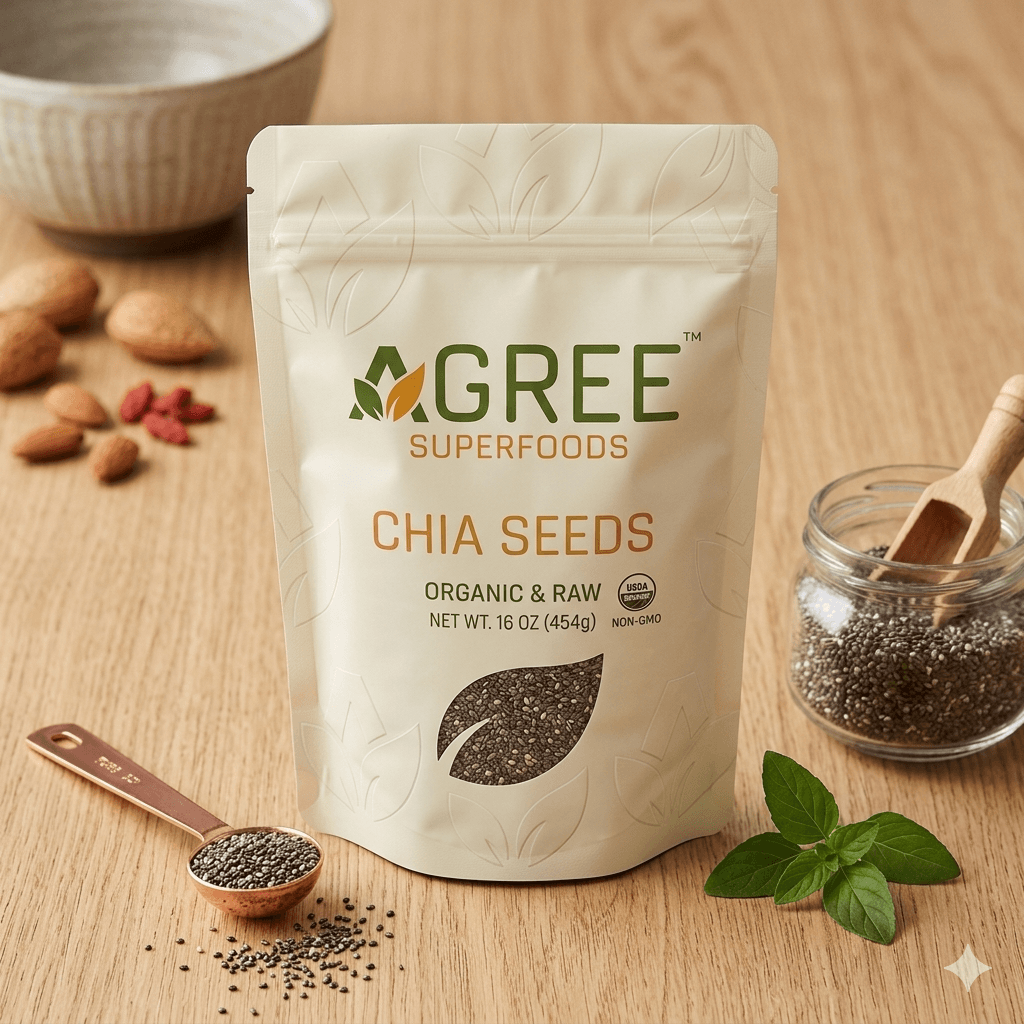
Chia seeds are one of the most useful superfoods for hair growth because they fit easily into everyday meals while bringing fiber, plant protein, and omega-3 fatty acids. That combination makes them especially appealing for people who want a simple pantry ingredient with more than one benefit.
From a practical point of view, chia seeds are easy to use in water, smoothies, curd bowls, overnight jars, and fruit bowls. They are not a magic fix, but they can support a more nutrient-aware routine that helps with overall scalp and hair nourishment. If you are specifically looking into chia seeds for hair, the biggest advantage is consistency: they are easy to keep using without complicated meal prep.
You can explore Chia Seeds in the current pantry range if you want a straightforward starting point.
Quinoa
Quinoa is often described as a complete protein because it contains all essential amino acids. That makes it a helpful food for people trying to improve protein quality, especially in more plant-forward diets. It also brings minerals like iron and magnesium, which makes it a strong addition to a hair growth diet.
Quinoa works well in grain bowls, warm salads, lunch prep, and light savory meals. It is especially useful when someone wants to replace more refined, less nutrient-dense staples with something that offers better nutritional depth.
Nuts and seeds
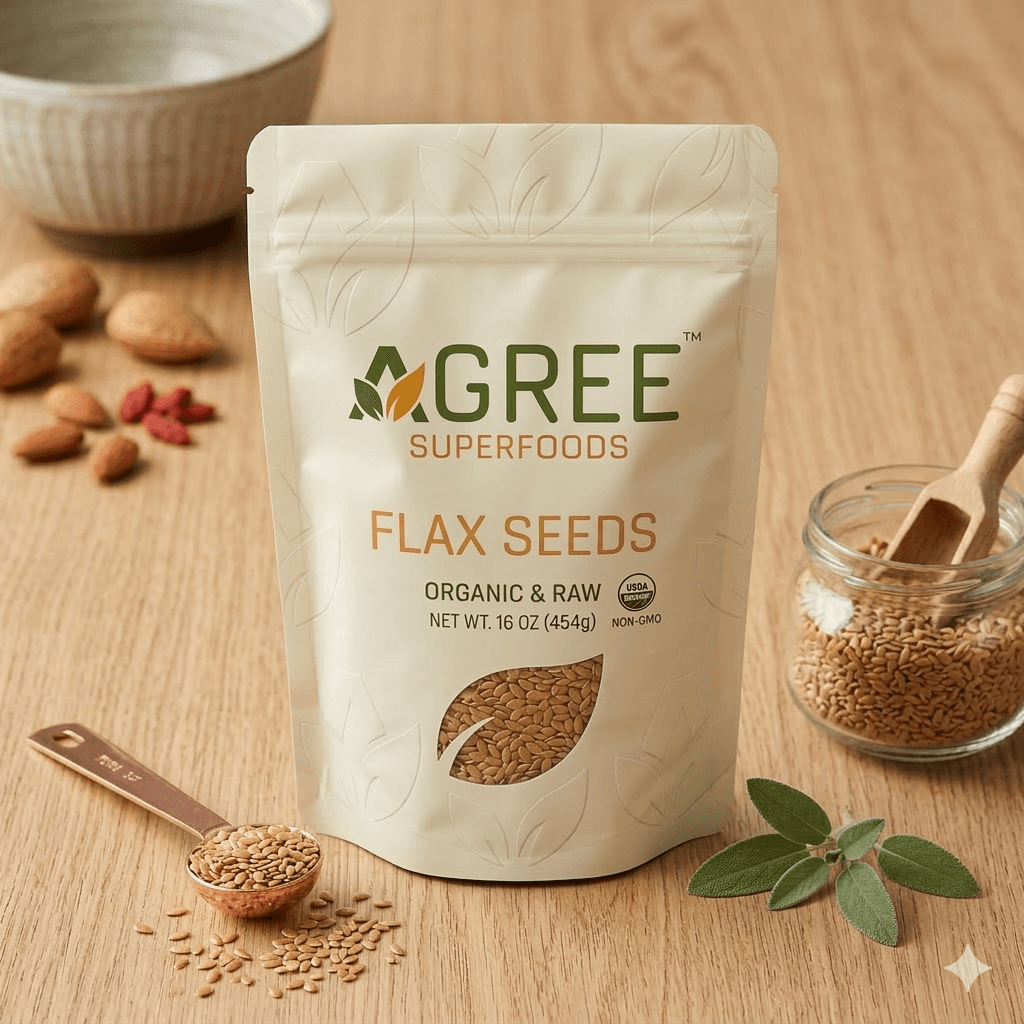
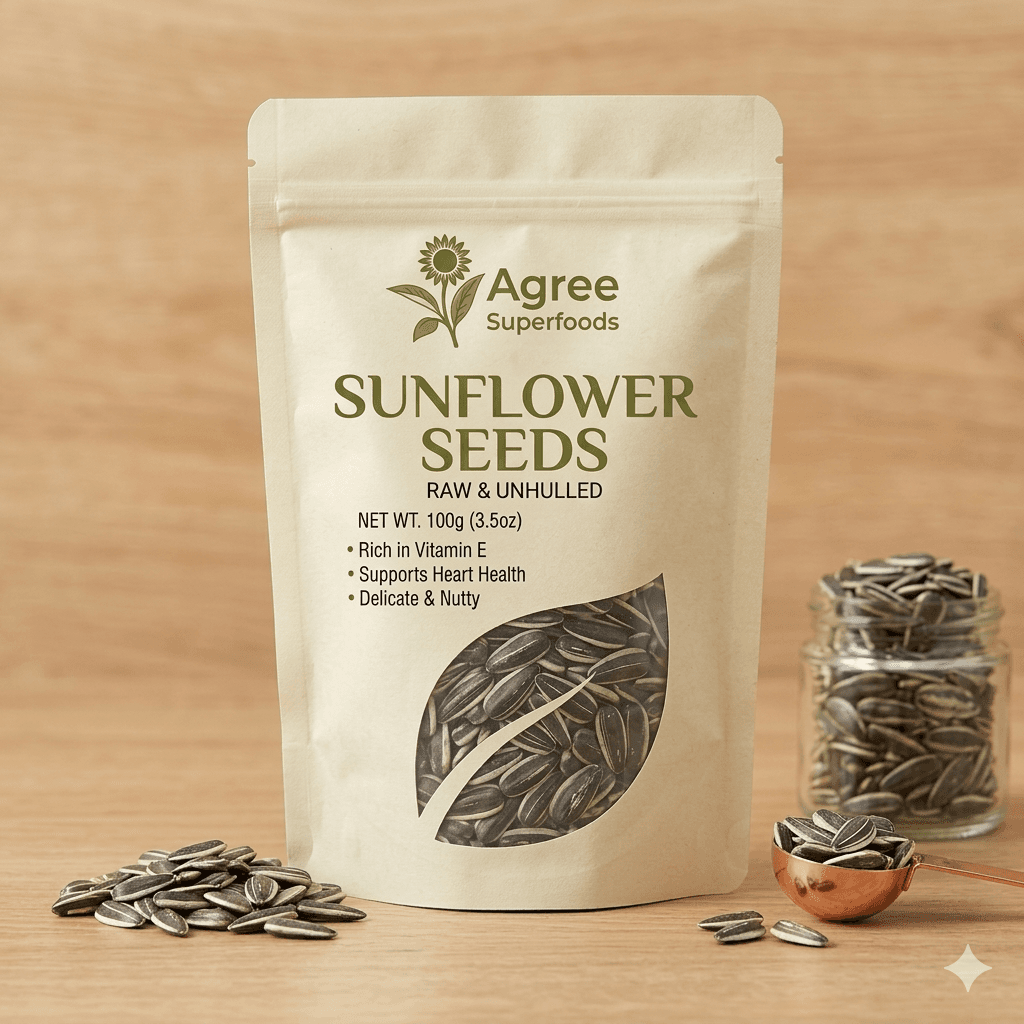
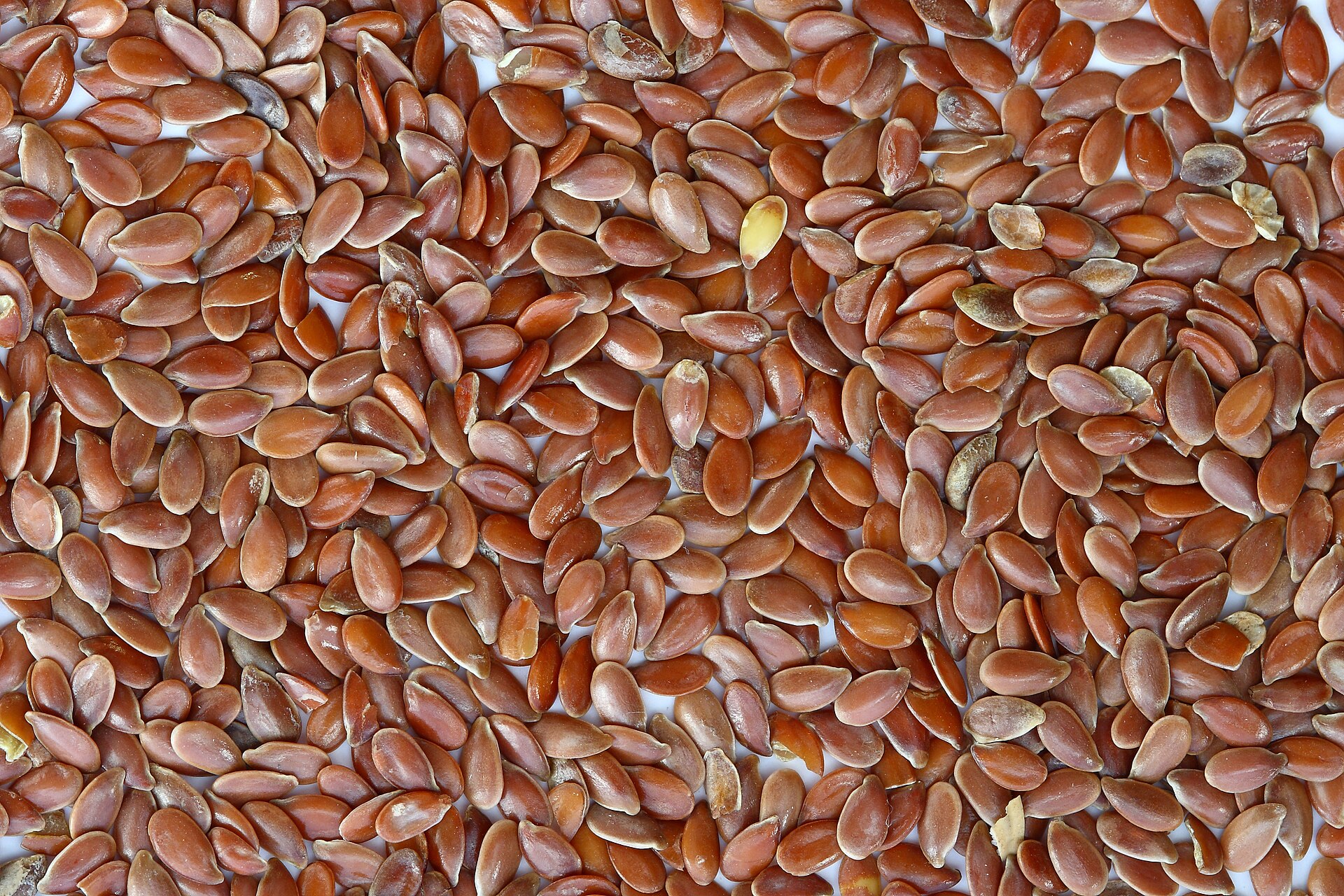
Nuts and seeds deserve a permanent place in any discussion about natural hair growth foods. Almonds, walnuts, chia seeds, flax seeds, and sunflower seeds can all help bring healthy fats, vitamin E, and texture into a routine that might otherwise be low in nutrient density.
This is where pantry-friendly ingredients become especially helpful. Flax Seeds and Sunflower Seeds are easy to sprinkle onto breakfast bowls, salads, yogurt, or snack mixes, which makes them much easier to keep using than one-off wellness ingredients.
Spinach
Spinach is a useful everyday food because it contributes iron, folate, and a range of supportive micronutrients. It is also easy to add to Indian meals through dals, sabzis, soups, parathas, or blended preparations. If hair thinning is connected to a lower-quality diet, leafy greens are often one of the simplest upgrades.
Eggs
Eggs are one of the clearest whole-food examples of why protein matters for hair. They also bring biotin and other nutrients that support normal growth processes in the body. For people who eat eggs, they are one of the most practical foods for hair growth because they are easy to include in breakfast or light meals.
Berries and amla
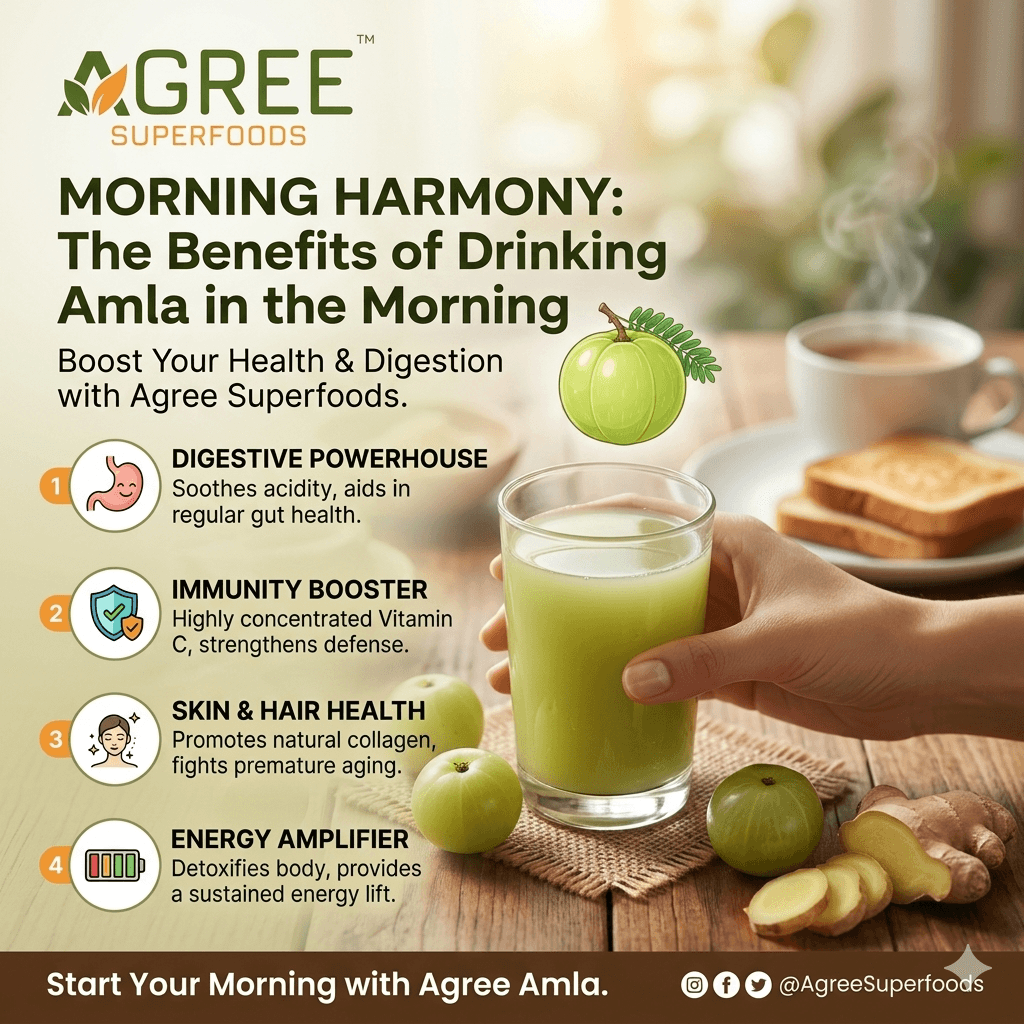
Vitamin C-rich fruits such as strawberries, blueberries, and amla support overall antioxidant intake and help the body absorb iron more effectively. That matters because iron status is closely tied to how well hair follicles are nourished. These fruits also add freshness and variety to a routine that might otherwise lean too heavily on processed snacks.
Carrots
Carrots are valued for beta-carotene, which the body converts into vitamin A as needed. In food form, they are an easy addition to salads, soups, cooked dishes, and snack plates. As with many hair-supportive foods, the value is less about one dramatic claim and more about strengthening overall diet quality.
How to include these foods in your daily diet
A hair growth diet does not need to be complicated, expensive, or highly restrictive. What matters most is repeatability. Small choices that happen often are more useful than a perfect plan that lasts three days.
Here are a few realistic ideas:
- add chia seeds to water, smoothies, or curd bowls
- replace rice with quinoa occasionally for lunch bowls
- keep nuts and seeds ready for small snack portions
- add spinach to dal, omelets, wraps, or sabzi
- eat eggs regularly if they fit your diet
- include berries, amla, or citrus-rich fruits through the week
These habits are simple, but they build a better nutritional foundation. Instead of depending only on external hair products, you support the body systems that hair growth depends on.
Foods to avoid for better hair health
Hair-supportive eating is not only about what to add. It also helps to reduce foods that crowd out better nutrition or create a less balanced routine.
Some common food patterns worth limiting include:
- frequent fried and junk foods
- excess sugar and sugary drinks
- highly processed snack foods eaten in place of meals
- repetitive low-protein eating habits
These foods do not cause immediate damage every time you eat them, but a routine built around them can make it harder to get enough protein, iron, vitamins, and healthy fats. That is one reason many people feel better when they shift from packaged snacking toward more ingredient-led choices from a trusted superfoods collection.
Superfoods vs supplements for hair growth
Supplements can be useful in certain cases, especially when a clinician confirms a specific deficiency. But for most people, food-first routines are the better foundation because they provide a broader nutrient mix and fit more naturally into everyday life.
| Factor | Supplements | Superfoods |
|---|---|---|
| Nutrition source | Isolated or synthetic nutrients | Whole-food or minimally processed nutrition |
| Absorption context | Depends on the supplement and the person | Supported by the natural food matrix |
| Side effects | Possible if taken unnecessarily or in excess | Usually lower when used in normal food amounts |
| Long-term routine | Easy to start, easy to overestimate | More sustainable as part of normal meals |
| Overall value | Helpful in targeted cases | Stronger everyday foundation |
This does not mean supplements are always bad. It means they should not be treated as the first or only answer. Natural superfoods like chia seeds and other nutrient-dense foods offer a steadier long-term approach, especially when they become part of daily habits rather than short-lived wellness experiments.
Final takeaway
Healthy hair does not usually come from one miracle ingredient, one trending supplement, or one premium bottle on a shelf. It is more often the result of consistent nutrition, enough protein, better overall food quality, and a routine that supports the body from within.
That is why the best foods for hair growth in India are often simple, repeatable, and easy to live with: chia seeds, quinoa, nuts, seeds, eggs, leafy greens, and vitamin-rich fruits. They help create a better base for stronger, healthier hair over time.
If you want a practical first step, begin with everyday pantry options like Chia Seeds, Flax Seeds, and the wider Agree Superfoods collection. Small improvements in diet can support better hair health far more sustainably than quick-fix thinking.
Explore Agree
Continue from article reading into product pages, FAQs, and direct support if you want to know more.