Wellness guides
What Happens to Your Body After 7-8 Hours of Sleep
Understand what happens to your body after sleep and why hydration, digestion support, and simple morning habits improve daily energy and freshness.
Read time
4 min read
Published
April 15, 2026
Sections
9 sections
Jump to section
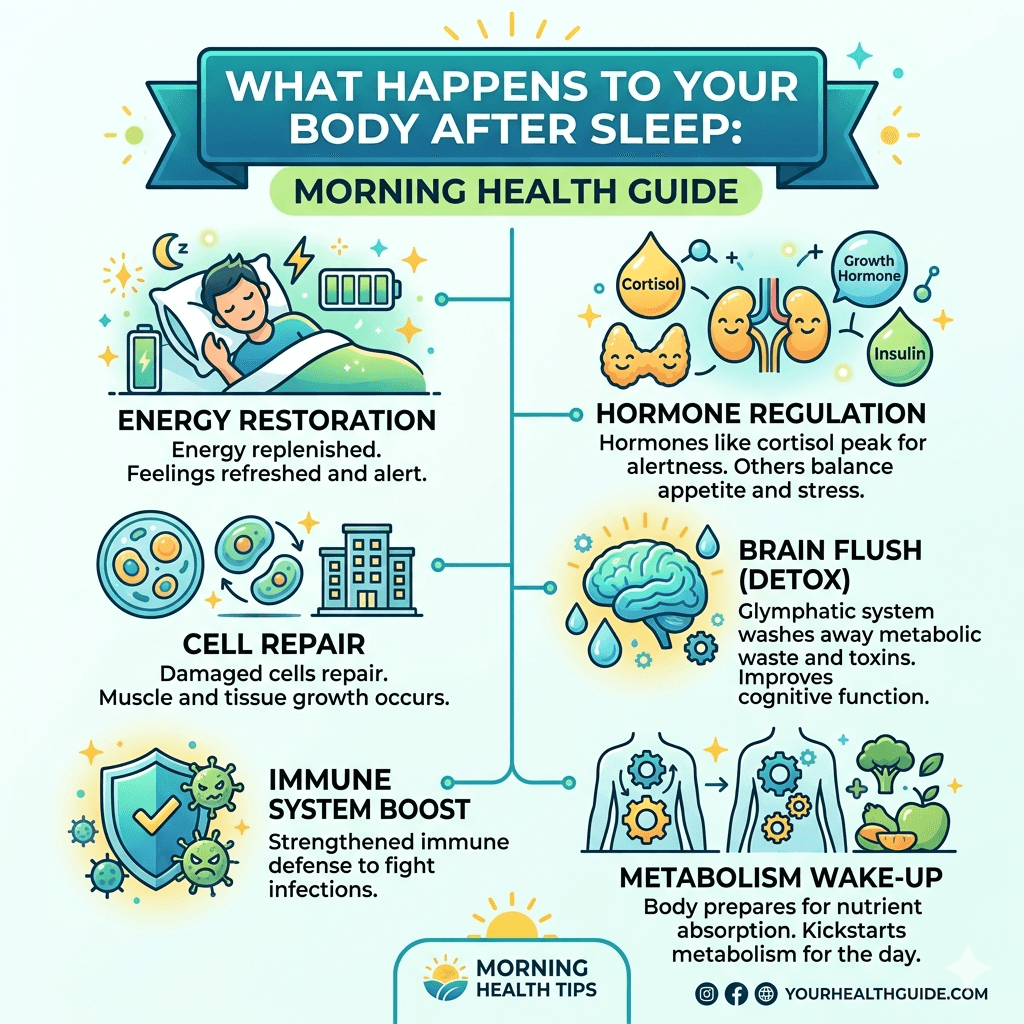
Most people think sleep is the only part of recovery that matters. Sleep is essential, but what happens right after you wake up is equally important.
After 7 to 8 hours of sleep, your body is in a transition phase. Hydration is low, digestion is slow, and energy needs a gentle restart. If you understand this early-morning state, it becomes easier to build habits that improve your full day.
1. Your body wakes up mildly dehydrated
During sleep, your body continues vital functions like breathing, cell repair, and internal metabolism. These processes still use water.
Because there is no fluid intake overnight, morning dehydration is common. This is why many people wake up with:
- dry mouth
- low-energy feeling
- dullness or heaviness
What helps first:
- plain water
- coconut water
- chia water
- lemon water
These options help your body rehydrate before caffeine or heavy food.

2. Your energy levels are naturally low
Even after good sleep, energy does not instantly peak. Blood sugar is lower, hydration is lower, and the body is still shifting from rest mode to active mode.
This is why many people feel slow in the first hour.
What helps:
- light fruit
- soaked seeds
- simple natural drinks
Avoid very heavy or sugary intake immediately after waking, because it often causes a crash later.
3. Digestion is slower in the early morning
After many hours without food, the digestive system starts slowly. If the first intake is very heavy or if tea is taken immediately on an empty stomach, some people experience bloating or discomfort.
A gentler start supports better digestion for the rest of the day.
What helps:
- water first
- light natural drinks
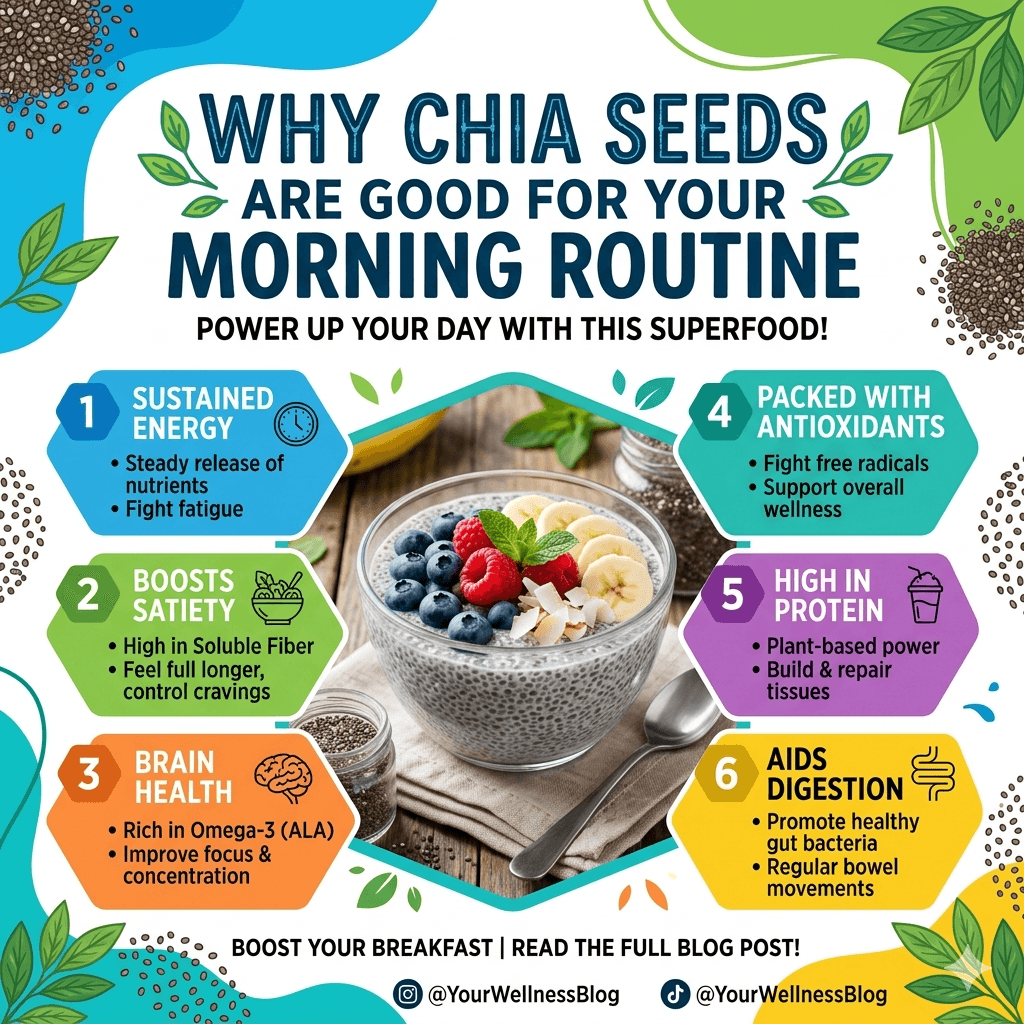
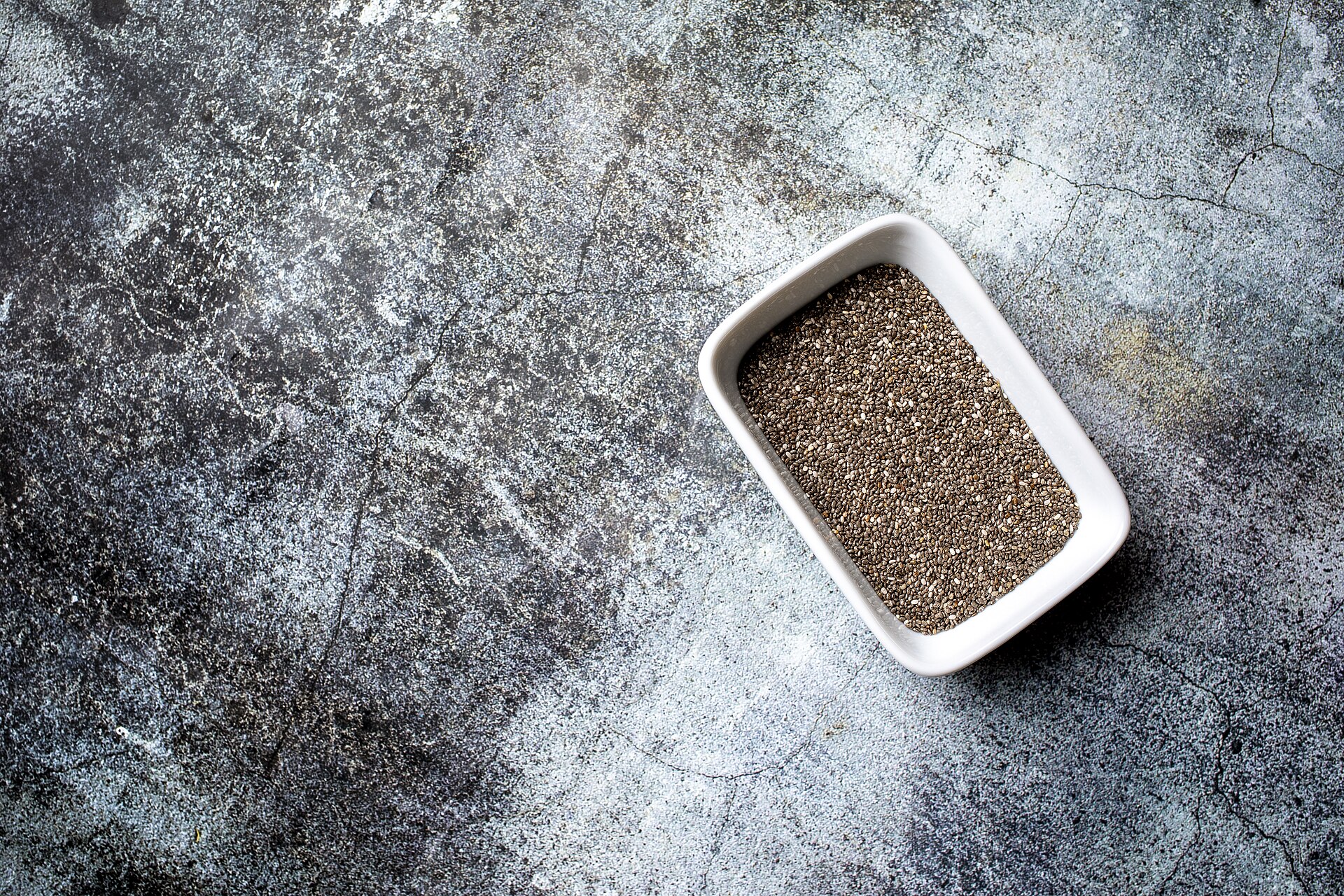
- fiber-supporting ingredients like chia seeds
Chia can be a useful morning addition because it is easy to include and supports digestion-focused routines.
You can explore Chia Seeds for practical daily use.
4. Your body needs balance, not only stimulation
Many people depend only on tea or coffee to feel active. Caffeine can increase alertness, but it does not directly solve hydration, digestion, or nutrient quality.
That is why short-term wakefulness is often followed by a dip.
A better approach is to combine hydration with natural ingredients such as:
- amla
- coconut
- ginger
- lemon
- mint
These support the body in a more balanced way, especially during the first hour after waking.
5. Gut comfort starts in the morning
Morning is the best window to support gut comfort. When digestion starts well, many people feel lighter and more stable through the day.
When mornings start poorly, common outcomes include heaviness, discomfort, and low-energy cycles.
Helpful ingredients:
- chia seeds
- amla
- ginger
Used consistently, these can support digestion-friendly habits without complicated routines.

6. Your first habit sends a signal to your body
Your first action in the morning often sets the tone for your next decisions.
If you:
- drink water, the body activates more smoothly
- eat light and clean, digestion improves
- move for a few minutes, alertness increases
If you:
- scroll phone immediately, mental fatigue can rise
- drink tea first every day, dependency often grows
- skip intake completely, low energy continues
Morning behavior shapes day-long energy rhythm more than most people realize.
Best way to support your body in the morning
A simple routine works better than a complicated one:
- Start with water or a natural drink.
- Add chia, amla, or coconut in practical amounts.
- Get 10 minutes of sunlight.
- Eat a light, balanced breakfast.
- Delay tea/coffee for a short window.
For a drink-focused guide, continue with Coconut, Amla, and Chia: Why This Combination Is Becoming Popular.

Common morning mistakes
- skipping water
- taking tea first every day
- eating heavy food immediately
- not moving the body
- expecting instant energy results
These small mistakes can affect productivity, digestion, and mood through the day.
Conclusion
After 7 to 8 hours of sleep, your body is usually:
- mildly dehydrated
- lower in immediate energy
- slower in digestion
This is why your morning routine matters. Small habits like hydration, natural ingredients, and light movement can help your body feel fresh and balanced.
Instead of depending only on caffeine, support your body with what it actually needs in the first hour of the day.
Explore Agree
Continue from article reading into product pages, FAQs, and direct support if you want to know more.