Nutrition guides
Balanced Diet for Fat Loss: Simple Indian Plan Using Natural Foods and Seeds
Discover a balanced diet for fat loss with practical Indian meals and natural seeds like chia, flax, and sunflower for a healthier, sustainable routine.
Read time
6 min read
Published
March 27, 2026
Sections
8 sections
Jump to section
Many people try to lose fat by skipping meals or following strict short-term diets. For a few days it may feel like progress, but energy usually drops, hunger increases, and old habits come back quickly. The pattern is common because most extreme plans are hard to continue in real life.
A better approach is a balanced routine built on familiar foods, regular meal timing, and steady habits. You do not need complicated detox systems or dramatic restrictions. You need food that supports your day, keeps you satisfied, and is easy to repeat week after week.
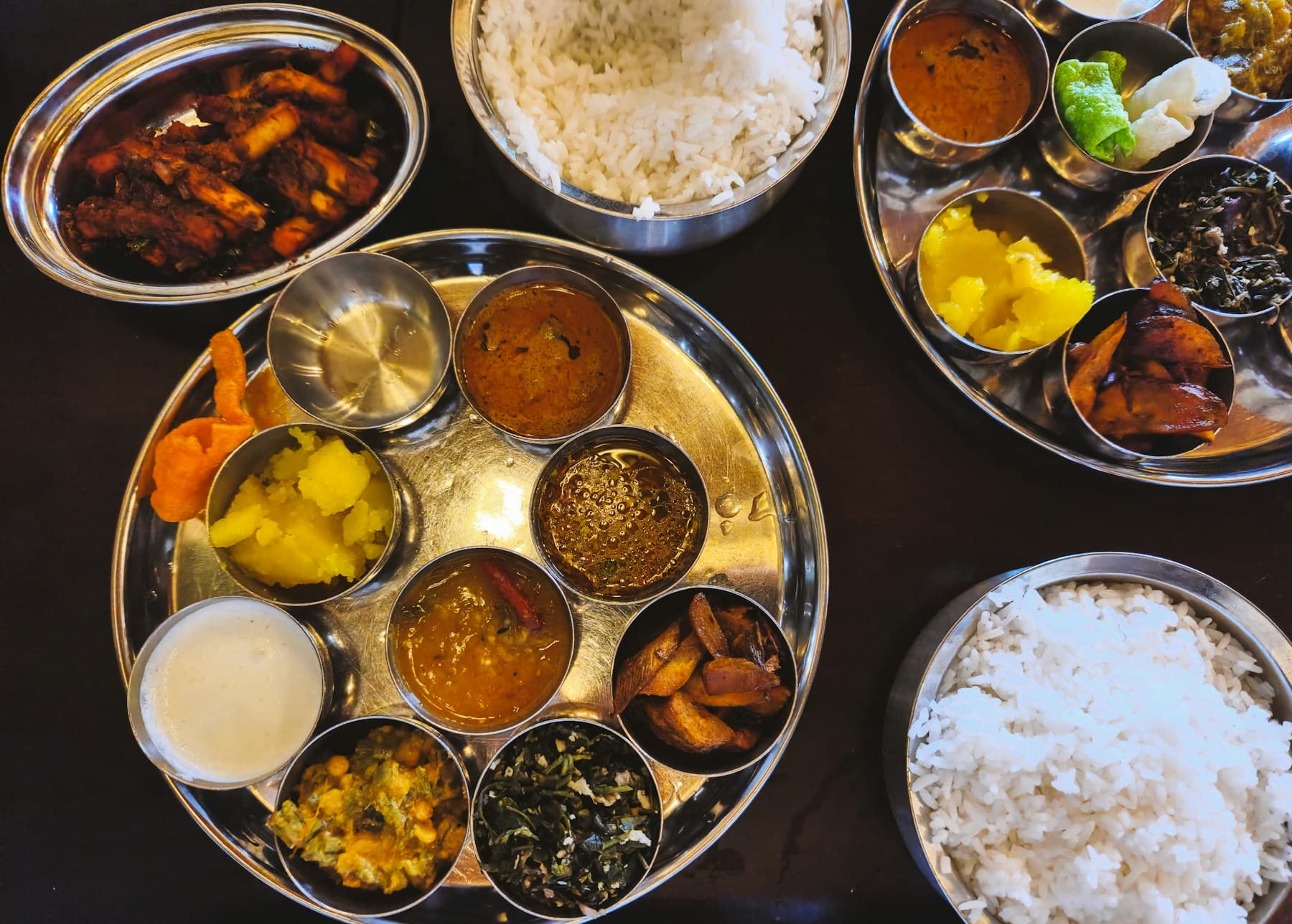
This guide explains a practical Indian-style fat loss plan using everyday meals and pantry-friendly seeds. It also shows where Chia Seeds, Flax Seeds, and Sunflower Seeds can fit naturally.
What is a balanced diet for fat loss?
A balanced fat loss diet means your meals include the main nutrients your body needs while staying practical enough to continue.
- protein to support muscle maintenance and satiety
- fiber to support digestion and hunger control
- healthy fats for overall dietary balance
- complex carbohydrates for steady energy through the day
When your meals are balanced, appetite patterns are often easier to manage. You are less likely to swing between long gaps without food and sudden overeating later. This is one reason balanced eating supports long-term fat loss better than severe restriction.
Why natural seeds support a fat loss routine
Natural seeds are useful because they are easy to include in existing meals. They are not magic fat burners, but they can improve meal quality and consistency, which matters more in the long run.
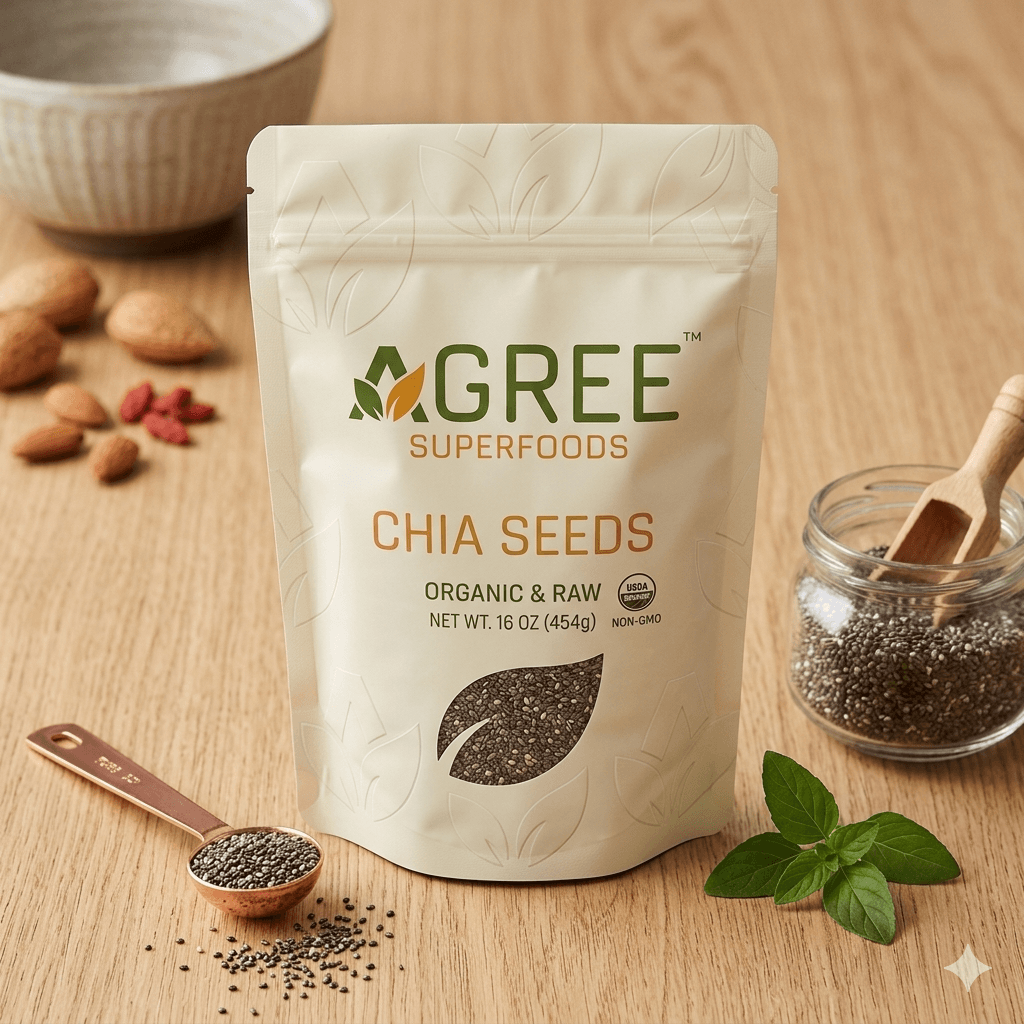
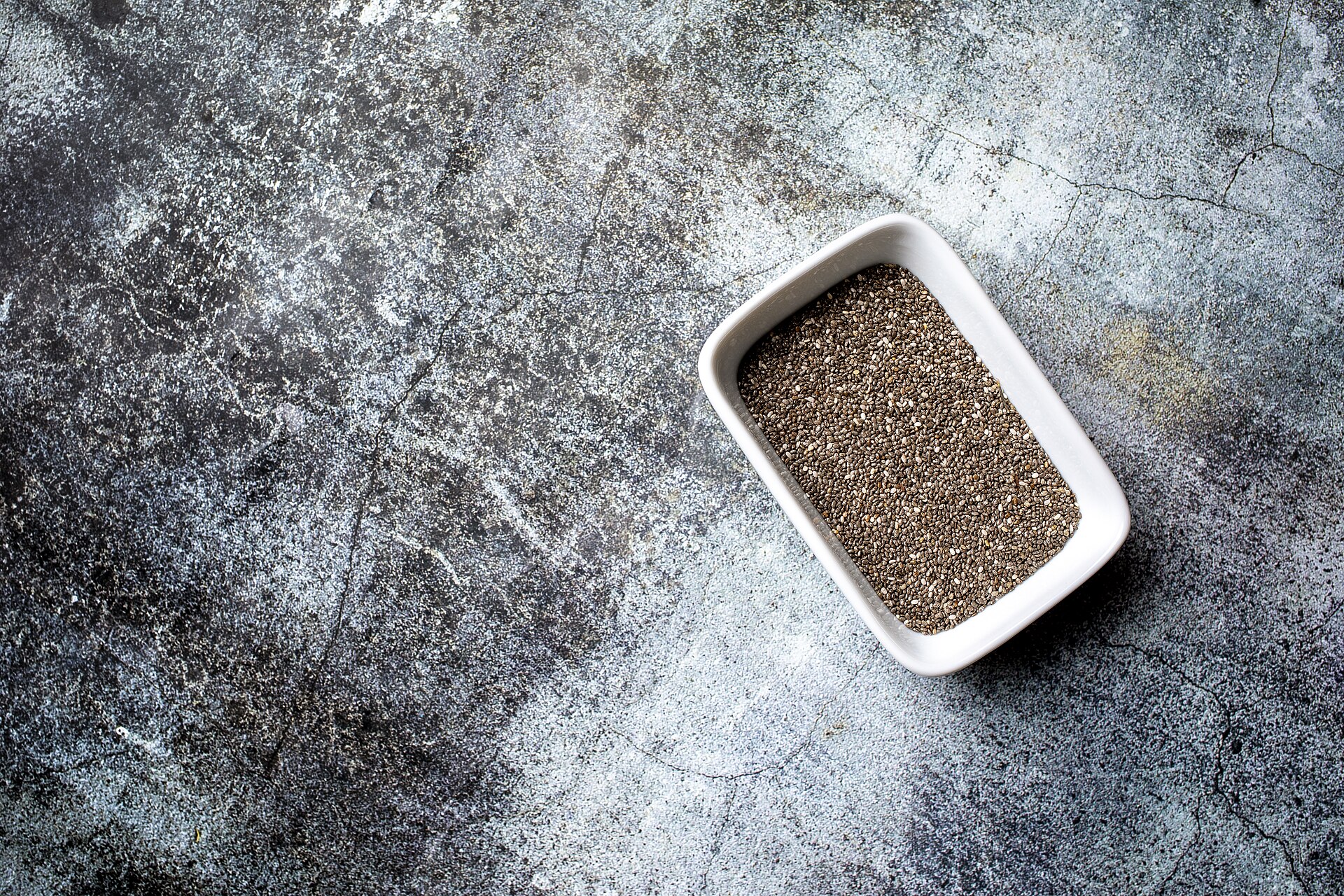
Chia seeds for morning satiety
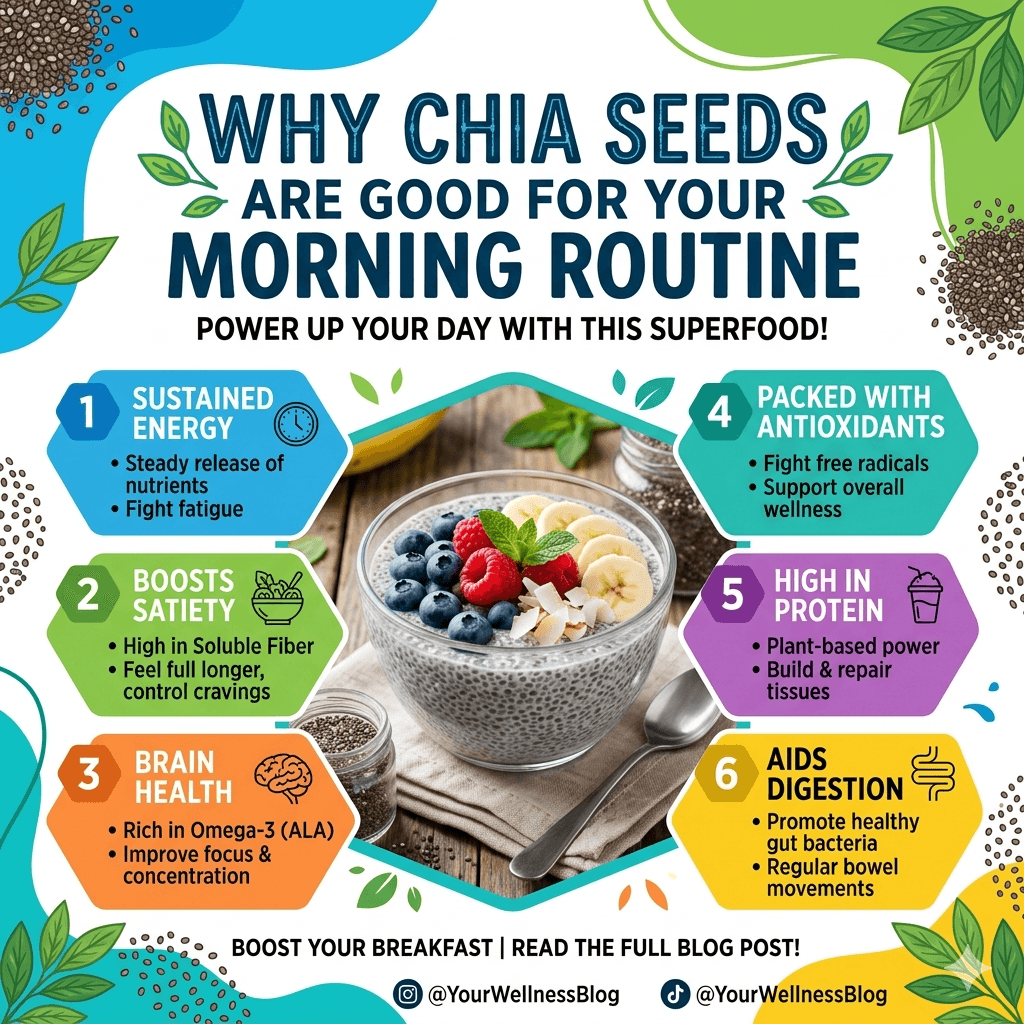
Chia seeds are a practical morning add-on, especially in soaked water, curd bowls, or smoothies. Their fiber content can help meals feel more filling.
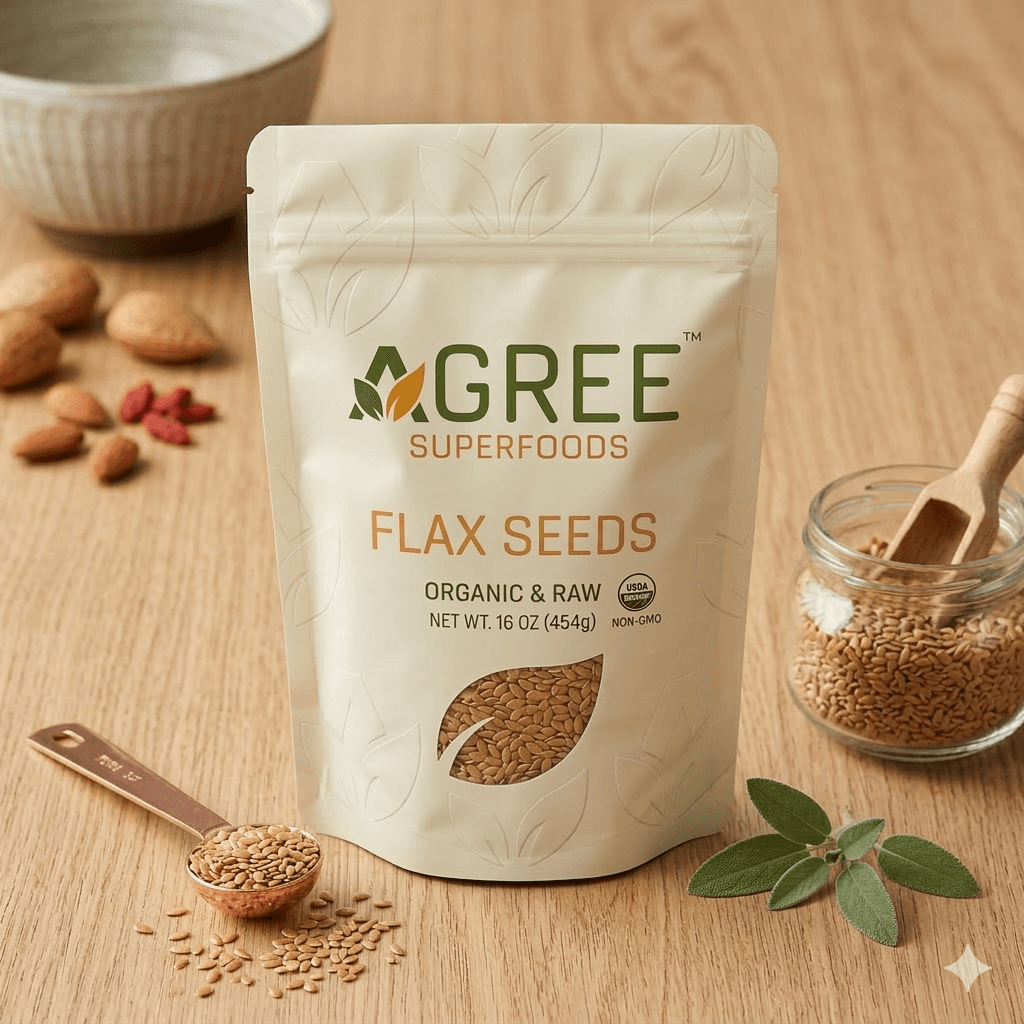
Flax seeds for daily meal support
Flax seeds are easy to sprinkle into lunch bowls, curd, and homemade mixes. They work well when used in small daily amounts rather than occasional large servings.
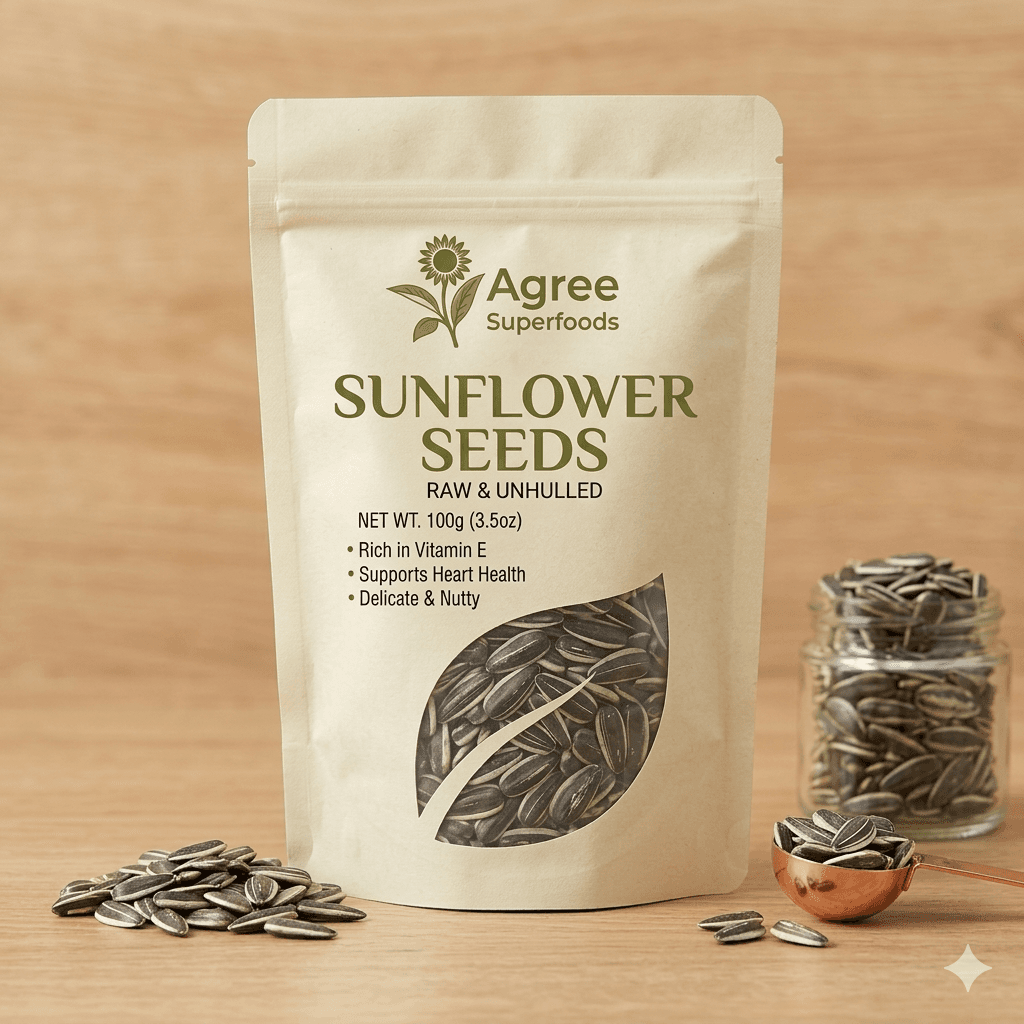
Sunflower seeds for smart snacking
Sunflower seeds can replace part of a processed snack habit. A small measured portion in mid-morning or evening can make routine snacking feel more intentional.
Ragi as a slow-digesting grain choice
Ragi is commonly used in Indian kitchens and fits well in breakfast routines like porridge or dosa. In this project, ragi is currently discussed as a food habit inside the daily diet plan guide, while seed products are available directly on product pages.
Simple daily diet plan for fat loss (Indian routine)
This sample plan is designed for consistency. Adjust portions and specific dishes based on your appetite, schedule, and professional advice when needed.
Morning (empty stomach)
Start with:
- 1 glass warm water
- 1 spoon soaked chia seeds in water
This is a light way to begin the day before breakfast and can support hydration-focused routines.
Breakfast
Choose one practical option:
- ragi dosa with vegetable chutney
- ragi porridge with nuts and seeds
- vegetable poha/upma with seed toppings
Ragi-based breakfasts are often easier to sustain because they are familiar, filling, and adaptable for home cooking.
Mid-morning snack
Keep it simple:
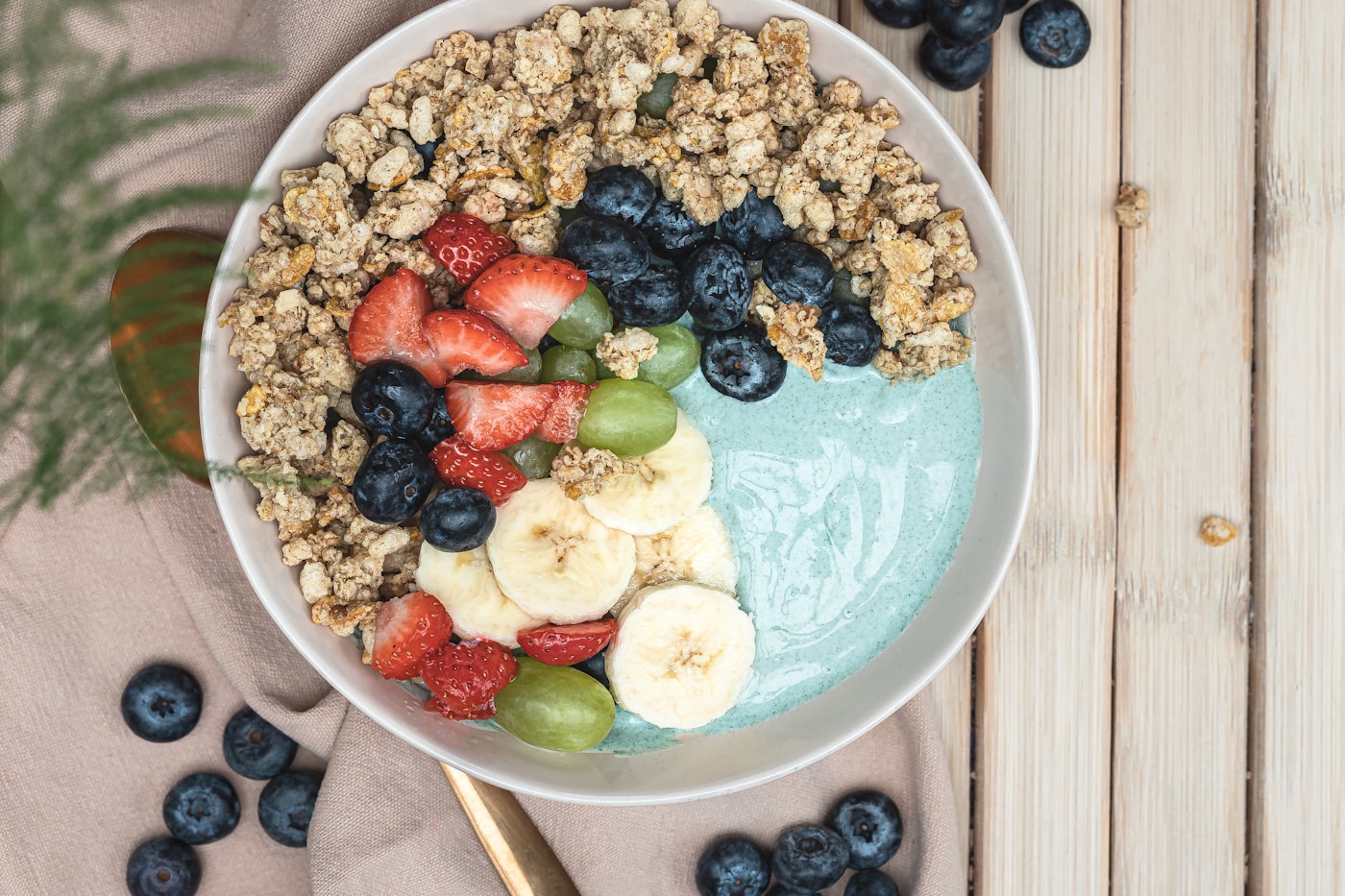
- 1 seasonal fruit
- a small handful of Sunflower Seeds
This can help reduce uncontrolled hunger before lunch.
Lunch
Build a balanced plate:
- roti or rice (portion as per routine)
- dal, curd, paneer, egg, fish, or another protein source
- 1 to 2 vegetable dishes
- 1 spoon Flax Seeds powder as topping
Lunch quality matters because this meal often decides evening cravings.
Evening snack
Good options:
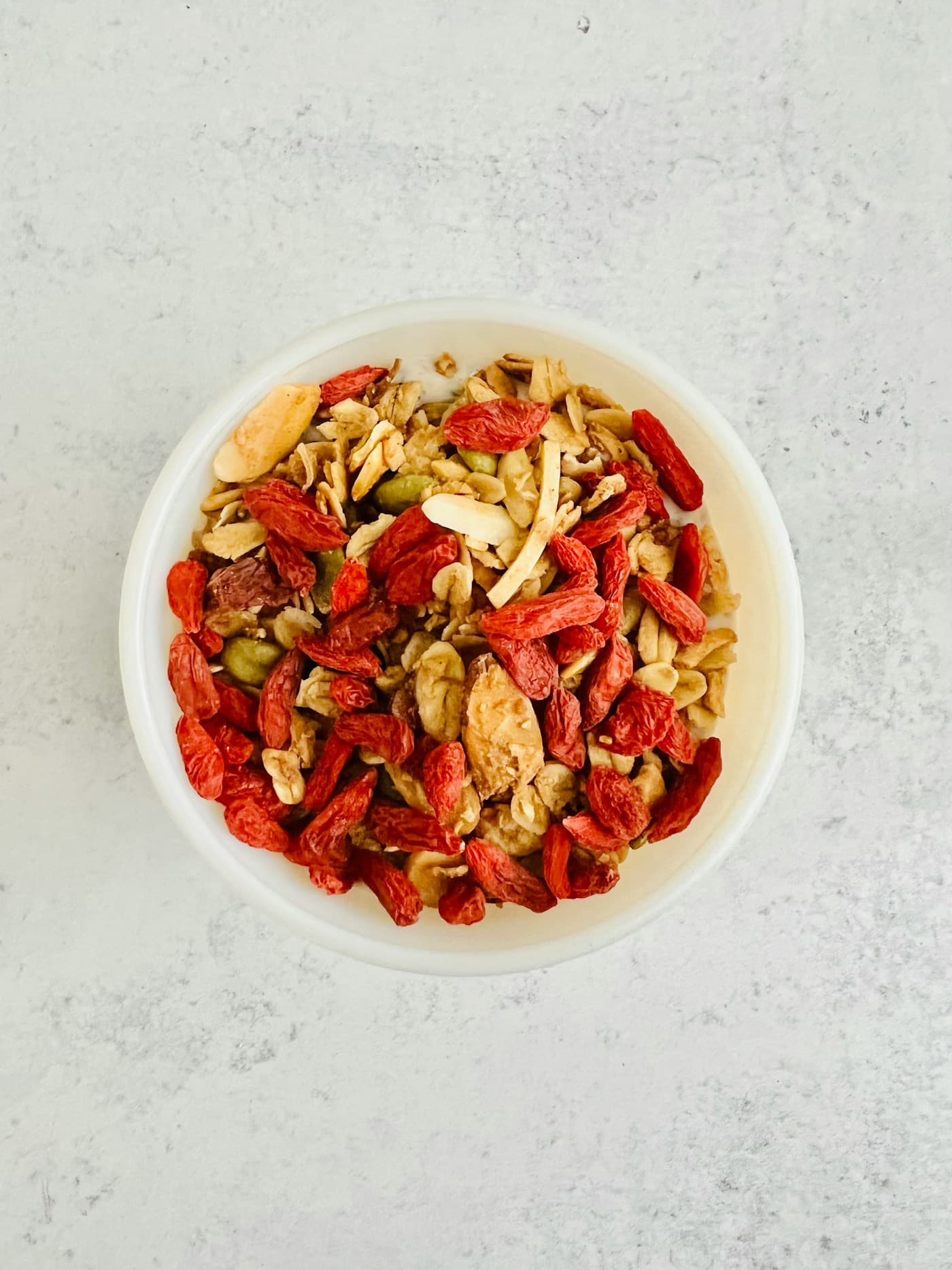
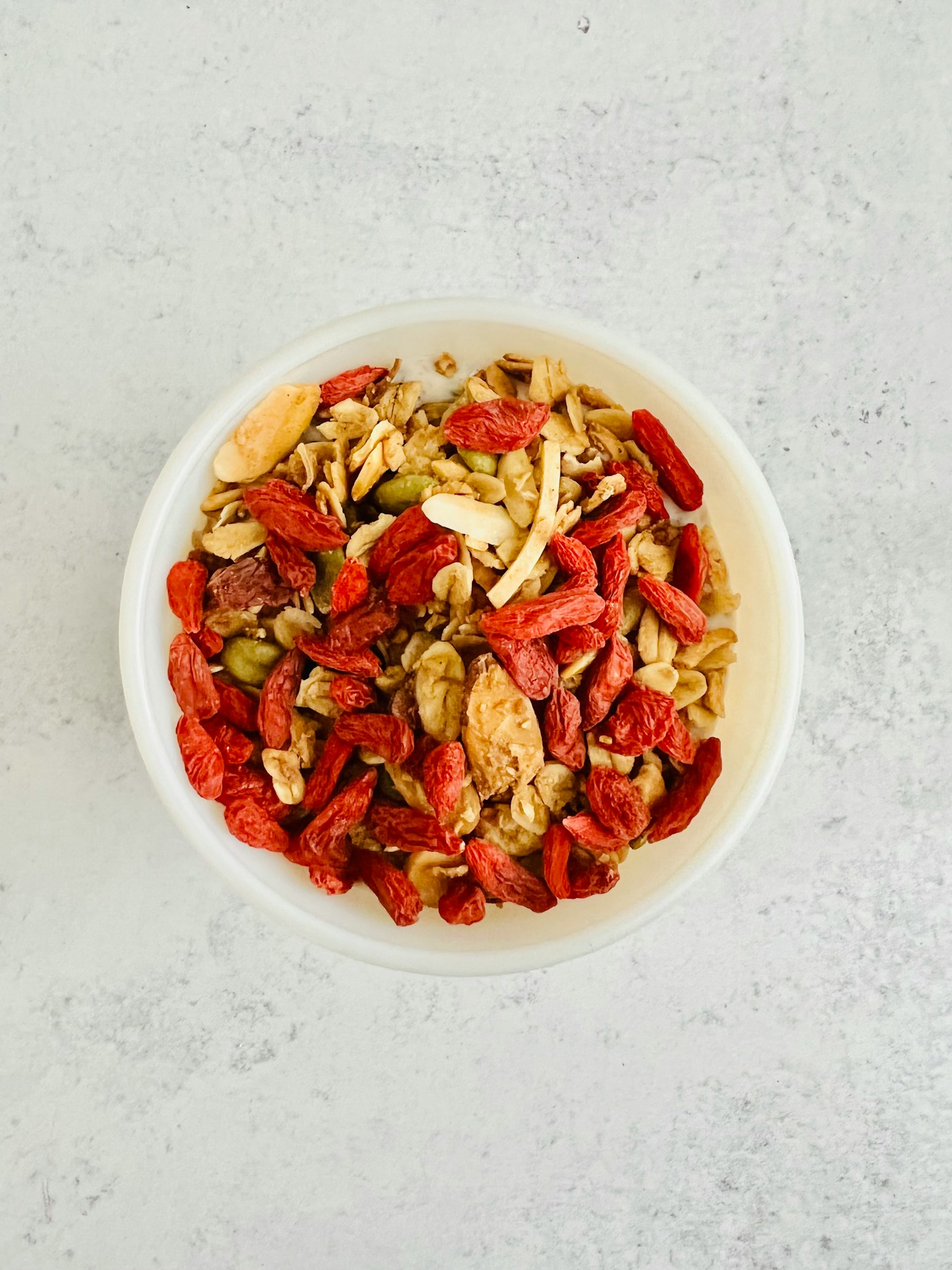
- roasted seed mix
- buttermilk
- fruit plus seeds
Try to limit deep-fried packaged snacks in this slot, because they are easy to overeat when energy drops.
Dinner
Keep dinner lighter than lunch:
- 2 roti with vegetables and protein
- or soup plus salad plus protein
Aim to eat at least 2 to 3 hours before sleep. A lighter, earlier dinner can improve routine consistency and sleep comfort for many people.
Sample timing table for better consistency
| Time slot | Meal focus | Simple example |
|---|---|---|
| 6 to 7 AM | Hydration start | Warm water and soaked chia |
| 8 to 9 AM | Breakfast | Ragi dosa or ragi porridge |
| 11 AM | Mid-morning snack | Fruit and sunflower seeds |
| 1 to 2 PM | Lunch | Roti/rice, dal/protein, vegetables, flax topping |
| 5 PM | Evening snack | Seed mix or buttermilk |
| 7:30 to 8:30 PM | Dinner | Light roti-vegetable meal or soup-salad combo |
This framework is not about perfection. It is a practical structure you can repeat with normal Indian home food.
Important tips for effective fat loss
- eat at regular times instead of long fasting and overeating cycles
- keep protein and fiber present in most meals
- reduce sugary drinks and ultra-processed snacks
- drink enough water throughout the day
- sleep 7 hours or more where possible
- track consistency by week, not by one day
Fat loss generally improves when habits become predictable. Routine beats intensity.
Common mistakes to avoid
- skipping meals and then overeating later
- using very low-calorie crash diets
- expecting visible results in a few days
- treating seeds as a shortcut instead of part of balanced meals
- ignoring stress, sleep, and meal timing
Progress is usually slower than social media claims, but slow progress is often the progress that lasts.
How to make this plan sustainable
Sustainable plans are built around your real schedule. If a plan requires constant willpower, it usually breaks. Small repeatable steps work better:
- keep one seed jar ready for the week
- pre-plan breakfast options for busy mornings
- use simple lunch templates instead of reinventing meals daily
- keep measured portions for evening snacks
- follow the same routine on weekdays before adding complexity
You can also rotate with other practical reading like How to Use Flax Seeds Daily and Benefits of Chia Seeds in Everyday Diet to keep meals varied without changing the full system.
Final takeaway
A balanced diet for fat loss is not about removing all favorite foods. It is about improving meal quality, timing, and consistency using natural foods you can keep using.
With simple Indian meals and steady additions like Chia Seeds, Flax Seeds, and Sunflower Seeds, fat loss can become more realistic and sustainable.
Focus on repeatable habits, not shortcuts. Small daily improvements add up over time.
Explore Agree
Continue from article reading into product pages, FAQs, and direct support if you want to know more.