Nutrition guides
Daily Diet Plan for a Healthy Body (India 2026 Guide)
A simple daily diet plan for a healthy body with balanced Indian meals, practical meal timings, and superfoods that support energy, digestion, and long-term wellness.
Read time
9 min read
Published
March 24, 2026
Sections
12 sections
Jump to section
A healthy body is not built through one perfect meal or one short diet challenge. It is built through food habits that are simple enough to repeat, balanced enough to support energy, and practical enough to fit into daily life. That is why a daily diet plan for a healthy body matters so much. It gives structure to the day and helps reduce the usual pattern of skipped meals, energy crashes, processed snacking, and late heavy dinners.
For many people in India, the real challenge is not a lack of information. It is inconsistency. Busy mornings, irregular lunch breaks, sugary tea-time snacks, and overeating at night can slowly affect digestion, energy, and overall well-being. The good news is that a healthy diet plan India readers can actually follow does not need to be complicated or expensive.
This guide walks through a practical balanced diet plan with easy meal timing, natural foods, and smart pantry additions. If you want a cleaner pantry foundation while you build better eating habits, you can start with the wider Agree Superfoods range and browse the current products collection.
Why a balanced diet is important
Your body works best when meals include a mix of carbohydrates, protein, healthy fats, fiber, vitamins, and minerals. Each nutrient group has a role to play:
- carbohydrates help provide daily energy
- protein supports repair, maintenance, and satiety
- healthy fats support the brain, hormones, and absorption of key nutrients
- vitamins and minerals support immunity, digestion, and normal body function
When meals are too low in protein, too high in sugar, or built around ultra-processed convenience foods, the body often responds with tiredness, cravings, poor digestion, and lower overall resilience. That is one reason a balanced diet plan is more useful than extreme short-term dieting.
The World Health Organization notes that a healthy diet is built on adequacy, balance, moderation, and diversity, with minimally processed foods forming the foundation. You can read that background in the WHO healthy diet fact sheet.
What a daily diet plan should do
A practical natural diet plan should not feel punishing. It should help you:
- maintain steadier energy through the day
- avoid long gaps that lead to overeating
- support digestion with fiber-rich foods and enough water
- reduce dependence on packaged snacks and sugary drinks
- create a sustainable routine for workdays and weekends
That is why meal timing matters almost as much as food choice. Regular eating patterns can help the body feel more stable, especially when paired with whole grains, pulses, vegetables, fruit, seeds, and simple protein sources.
Daily diet plan at a glance
This sample structure is not rigid, but it is a useful framework for most adults looking for a daily diet plan for healthy body support.
| Time | Meal | Practical options | Why it helps |
|---|---|---|---|
| 6 to 7 AM | Empty stomach | Warm water with lemon or soaked chia seeds water | Supports hydration and a gentler start to the day |
| 7:30 to 9 AM | Breakfast | Oats, upma, ragi porridge, smoothie, eggs, fruit | Gives energy after the overnight fast |
| 11 AM | Mid-morning snack | Fruit, nuts, coconut water | Helps prevent overeating at lunch |
| 1 to 2 PM | Lunch | Millet or brown rice, dal, sabzi, salad, curd | Builds the most balanced meal of the day |
| 4 to 5 PM | Evening snack | Roasted seeds, nuts mix, tea, fruit bowl | Reduces junk-food cravings later |
| 7 to 8:30 PM | Dinner | Soup, roti and sabzi, quinoa bowl, khichdi | Keeps the evening meal light and easier to digest |
| Before bed | Optional | Warm milk or herbal tea | Supports a calmer bedtime routine |
Morning routine: start your day right
The first part of the day often sets the tone for food choices later on. When mornings begin with hydration and a real breakfast, people are usually less likely to snack mindlessly or overcompensate at lunch.
Empty stomach
A simple start works best:
- warm water with lemon
- or soaked chia seeds in water
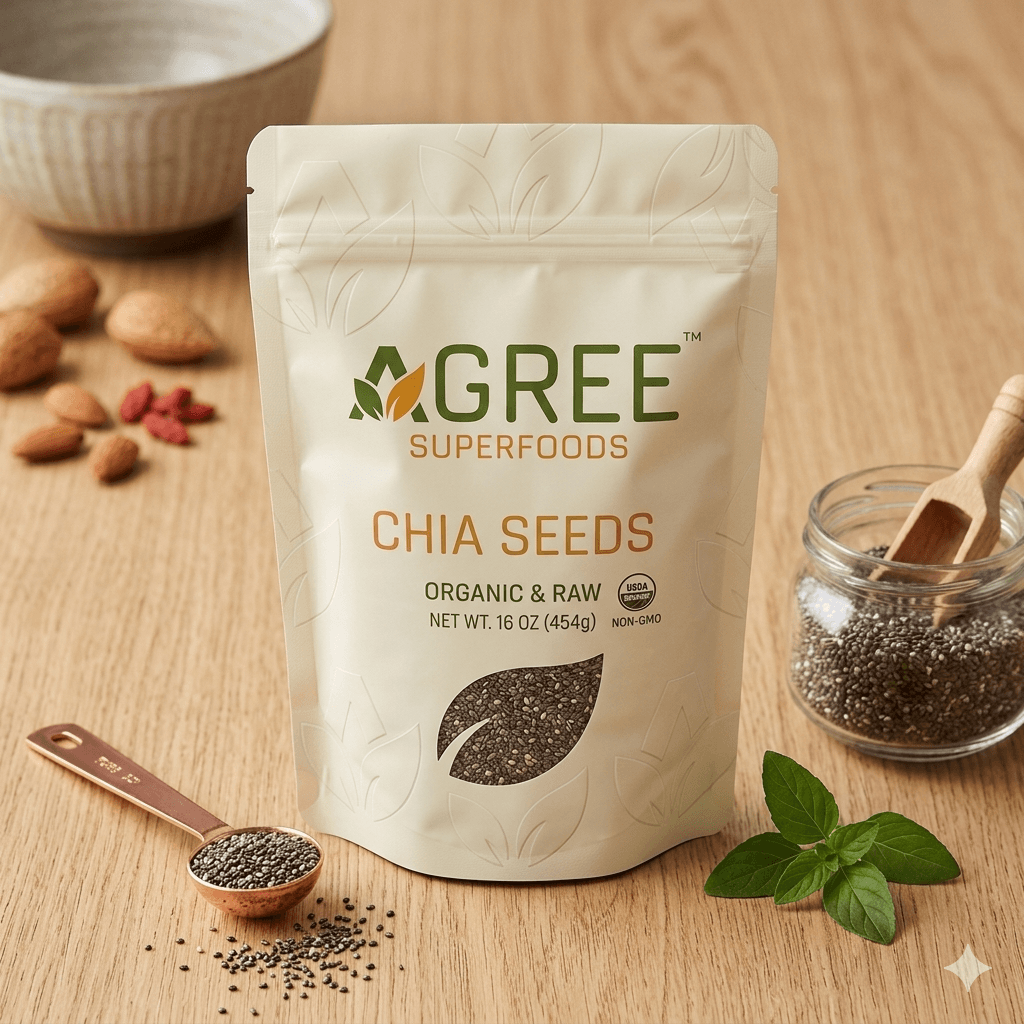
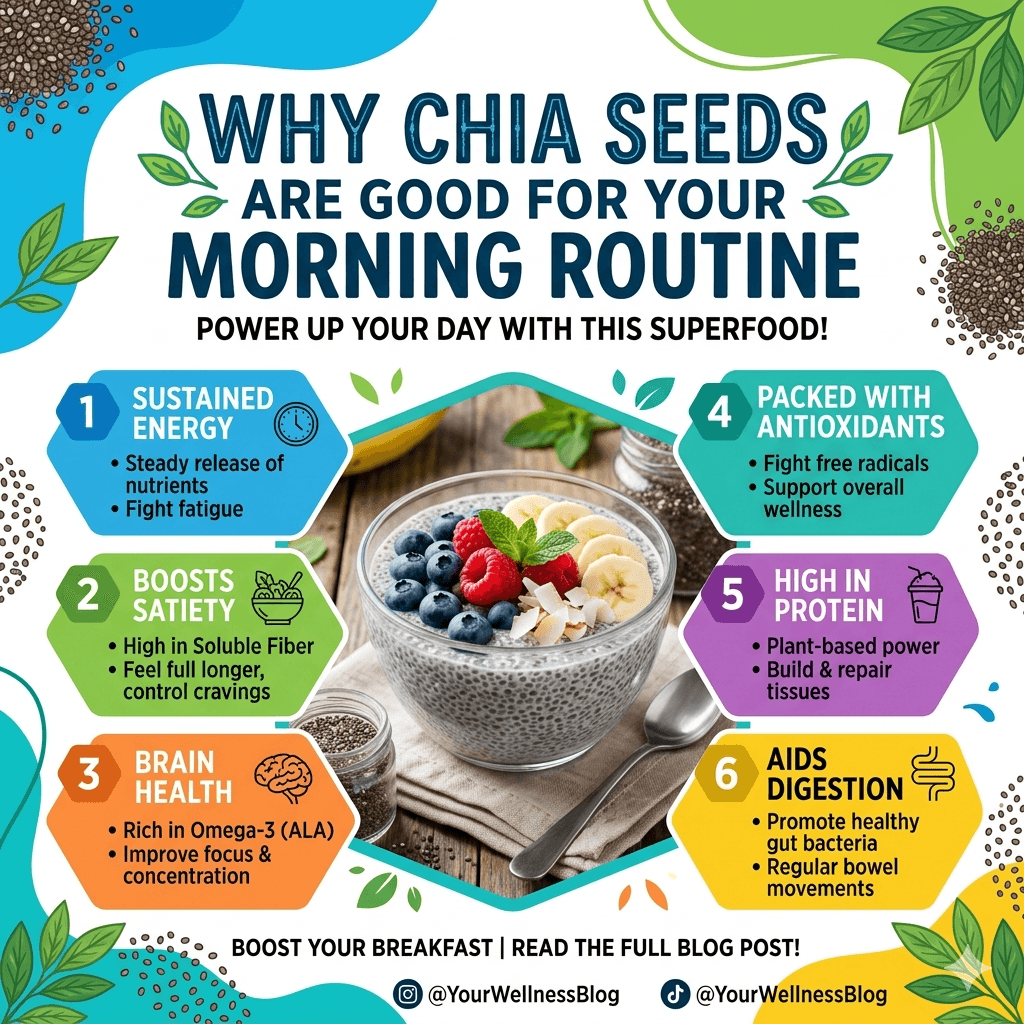
Chia seeds are useful here because they are easy to repeat. They can support hydration habits and bring fiber into the routine without much effort. If you want to build this into your day, Chia Seeds are one of the easiest pantry staples to begin with.
Breakfast
Breakfast should feel steady rather than heavy. The goal is to combine carbs, protein, and some fiber so the meal lasts longer.
Healthy breakfast ideas include:
- oats with fruit and seeds
- ragi porridge
- vegetable upma
- idli with sambar
- eggs with toast and fruit
- smoothie bowls with chia seeds
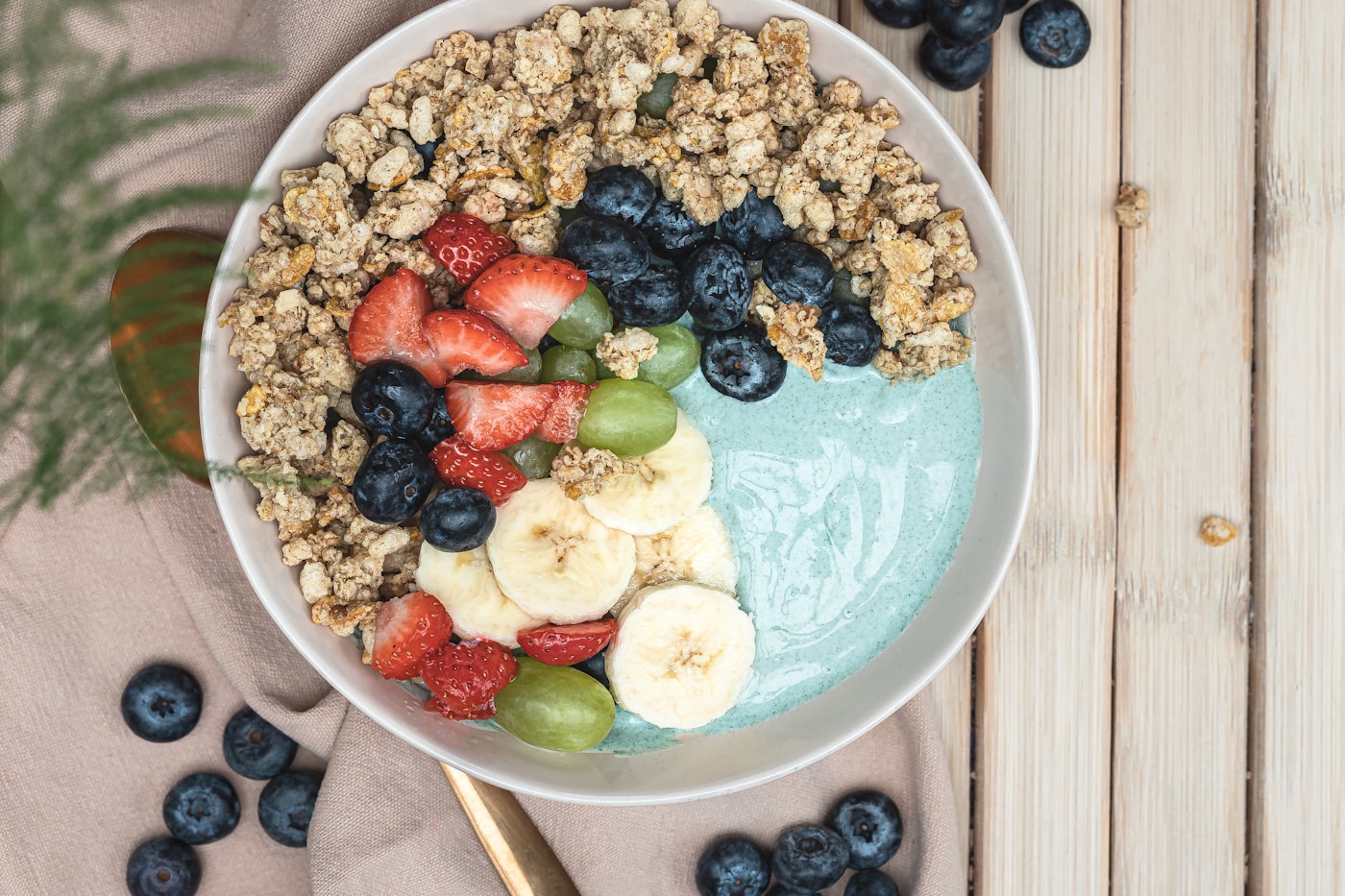
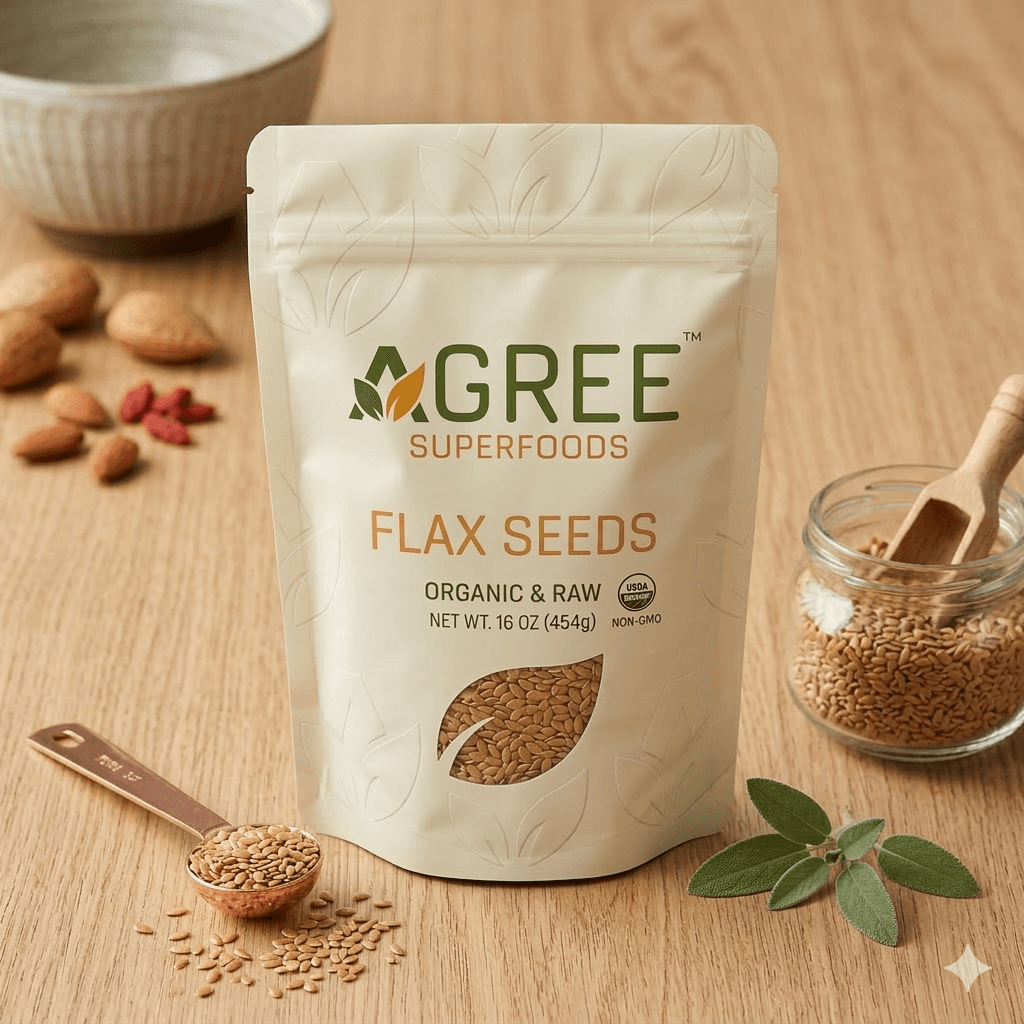
Adding seeds and grains to breakfast is a smart way to improve meal quality without making the meal complicated. A spoon of chia seeds, Flax Seeds, or a small handful of nuts can make a simple breakfast much more satisfying.
Mid-morning snack
By 11 AM, many people start feeling hungry again, especially if breakfast was too light. This is a good time for a light, fresh snack rather than biscuits, fried snacks, or another sugary drink.
Better options include:
- apple, banana, papaya, orange, or guava
- a handful of nuts
- coconut water
- curd with fruit
This small meal helps stabilize appetite and keeps lunch portions more reasonable. It also improves total fruit intake across the day, which supports a healthier overall pattern.
Lunch: make this your most balanced meal
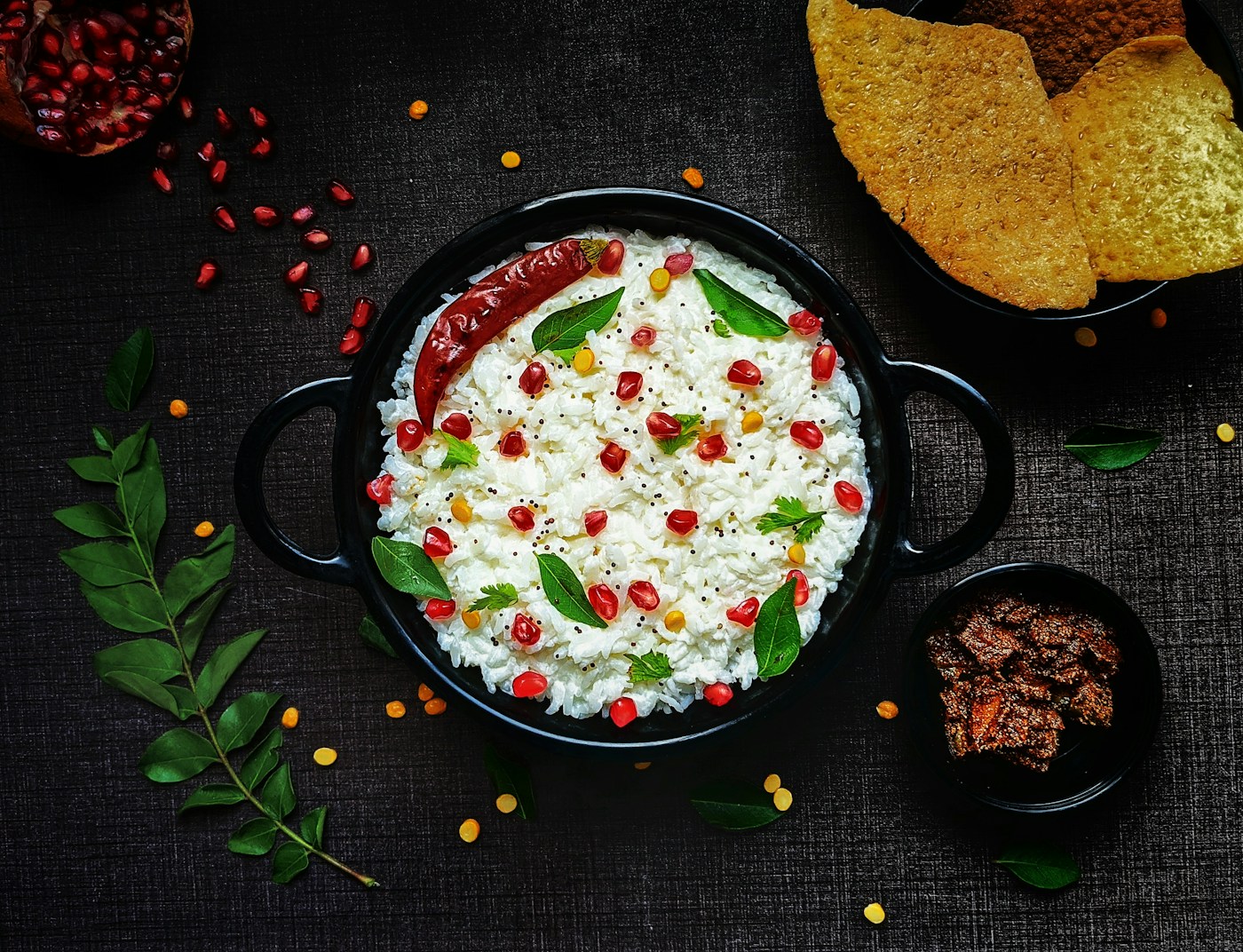
Lunch should be filling, but it should also feel balanced. A better Indian lunch plate usually includes one grain or starch source, one protein source, vegetables, and something fresh on the side.
An ideal plate can look like this:
- brown rice, red rice, or millets such as ragi and jowar
- dal, chana, rajma, paneer, fish, eggs, or another protein source
- one cooked vegetable dish
- salad or curd
Millets and whole grains are especially useful in a healthy diet plan India context because they often offer better fiber and slower energy release than refined grains. If lunch is where your energy usually crashes later, improving grain quality and protein intake can make a big difference.
Evening snack: avoid the junk-food trap
The late afternoon hunger window is one of the biggest reasons balanced eating falls apart. This is when packaged chips, fried snacks, and sugary tea add up quickly.
A better evening snack can be:
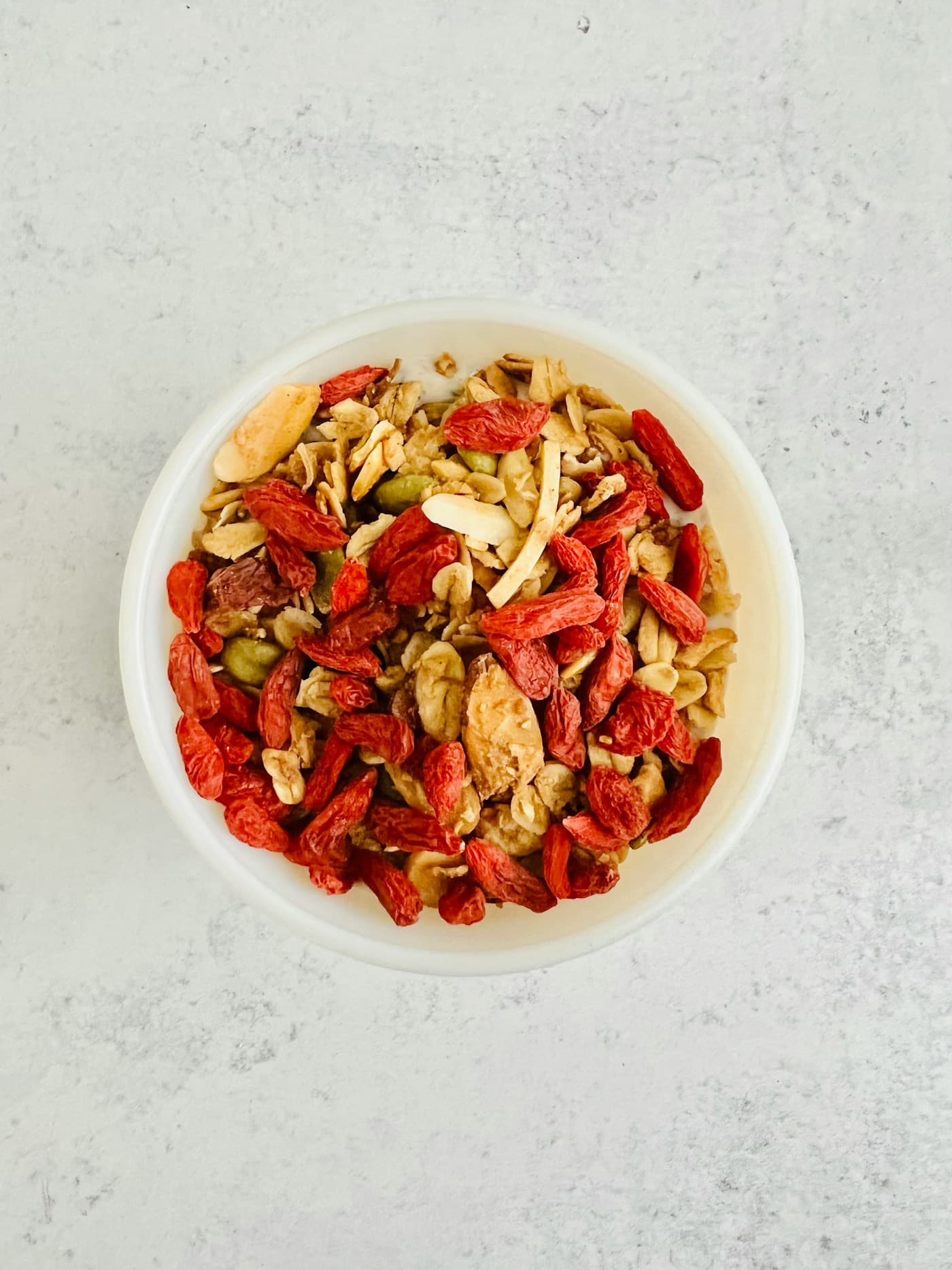
- roasted seeds
- a nuts mix
- fruit with curd
- green tea with a light snack bowl
- roasted makhana or seed mixes
This is also a natural place to shift away from processed snacking and toward ingredient-led options. You can explore more pantry-friendly choices through the current Agree Superfoods products if you want better tea-time alternatives.
Dinner: keep it lighter than lunch
Dinner should support recovery, not heaviness. That usually means choosing foods that are simpler, lighter, and easier to digest than lunch.
Good dinner options include:
- vegetable soup with toast or paneer
- roti with sabzi and dal
- quinoa bowl with vegetables
- light khichdi
- curd rice or millet bowl in moderate portions
Heavy oily dinners, oversized restaurant meals, and late-night sugary desserts can affect both digestion and sleep quality. A lighter dinner does not mean a tiny dinner. It means a calmer, more digestible one.
Before bed
If you like a bedtime routine, keep it simple:
- warm milk
- or herbal tea
This step is optional, but many people find that a lighter, more settled finish to the day helps them avoid late-night snacking.
Role of superfoods in a daily diet
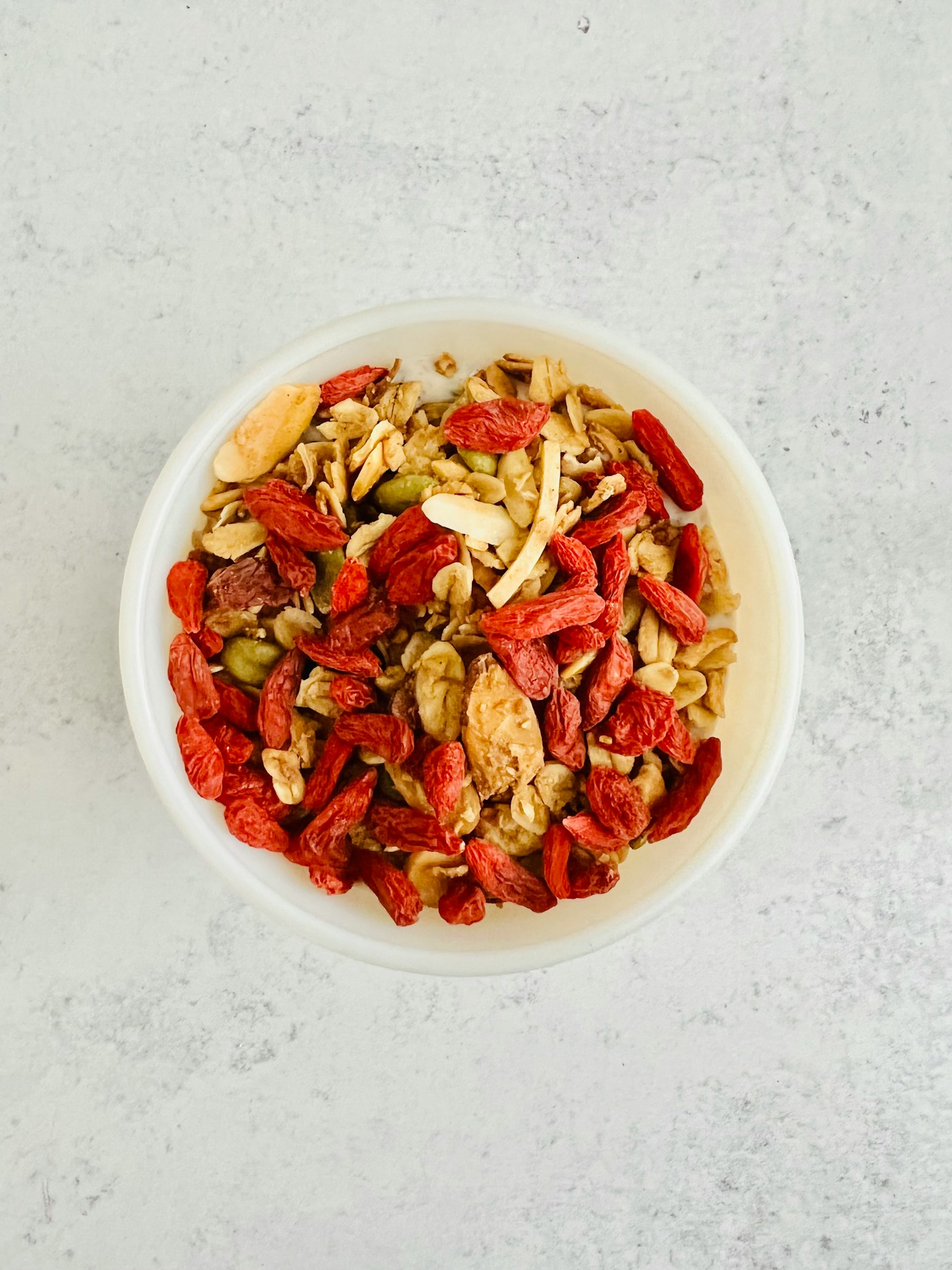
Superfoods are not meant to replace real meals. Their value is that they strengthen ordinary meals. They can improve nutrition without turning food into a complicated project.
Useful superfoods in a daily routine include:
- chia seeds
- flax seeds
- pumpkin seeds
- quinoa
- ragi and millets
These foods help because they are flexible. You can add them to breakfast, lunch bowls, curd, smoothies, or snack mixes. That flexibility makes them easier to keep using than one-off health foods that never become habits.
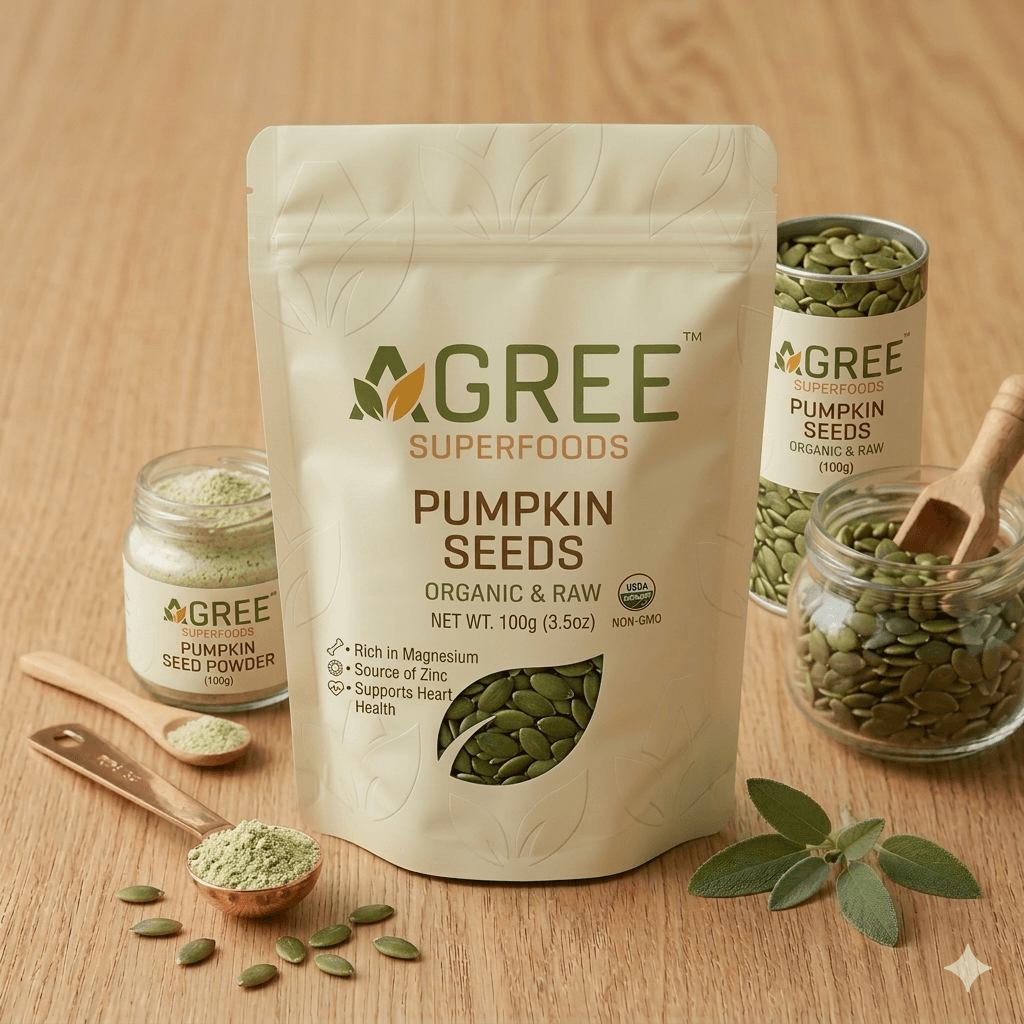
If you want a practical place to start, Chia Seeds, Flax Seeds, and Pumpkin Seeds are all simple additions to a routine built around healthy eating habits.
Common diet mistakes to avoid
Even good intentions can be undone by repeated small mistakes. Some of the most common ones are:
- skipping breakfast and overeating later
- drinking too little water through the day
- relying too much on processed foods and bakery snacks
- eating meals that are mostly carbs with too little protein
- taking too much sugar through tea, coffee, desserts, and packaged drinks
Avoiding these mistakes can improve how you feel even before you make bigger changes. In many cases, energy and digestion improve simply from more regular meals, more whole foods, and better snack choices.
Simple tips for a healthy lifestyle
A daily diet plan works best when it is supported by a few basic habits:
- eat mostly fresh, minimally processed foods
- stay hydrated through the day
- keep meal timings reasonably regular
- move your body daily through walking or exercise
- avoid overeating just because a meal was delayed
- build meals around what you can repeat consistently
Perfection is not the goal. Consistency is. Small habits followed for months matter more than an intense diet followed for four days.
Final takeaway
A healthy body starts with food habits that are balanced, simple, and sustainable. You do not need expensive supplements or extreme diet rules to begin feeling better. A practical daily diet plan for a healthy body is built through regular meals, enough protein, smarter grains, more fruit and vegetables, and better snack choices.
With a steady routine that includes seeds, grains, and whole foods, you can support energy, digestion, and long-term wellness more naturally. If you want to make that routine easier to maintain, begin with pantry staples from Agree Superfoods and explore the current superfoods collection for everyday use.
Explore Agree
Continue from article reading into product pages, FAQs, and direct support if you want to know more.