Nutrition guides
Best Seeds for Weight Loss: How to Use Them Correctly (2026 Guide)
Learn which seeds are best for weight loss and how to use chia, flax, sunflower seeds, and ragi in practical daily Indian meal routines.
Read time
6 min read
Published
March 30, 2026
Sections
9 sections
Jump to section
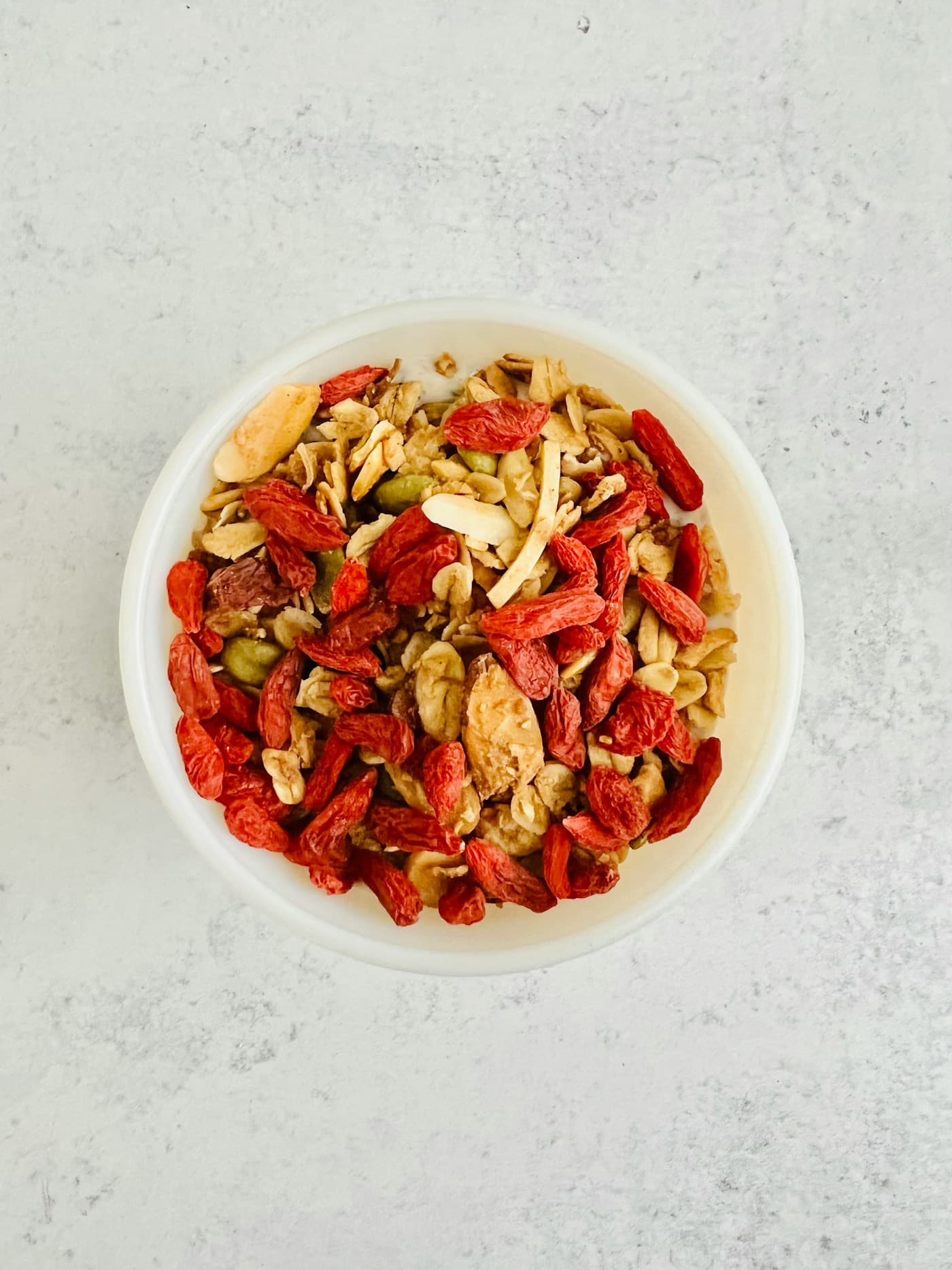
Many people try aggressive diet plans for weight loss but still struggle with cravings, low energy, and poor consistency. A common reason is that meals are often built around restriction instead of nourishment. When food feels too strict, routines usually break.
One practical solution is to improve the quality of everyday meals with natural ingredients that are easy to repeat. Seeds are one of the simplest examples. They are small, affordable, and easy to include in Indian breakfasts, lunches, and snacks.
The key point is this: seeds can support fat loss, but only when used in the right amount and in the right way. This guide explains which seeds are useful, how to use them properly, and how to avoid common mistakes.
Why seeds are good for weight loss
Seeds are nutrition-dense ingredients that fit naturally into real meals. They help not because they are a shortcut, but because they make balanced eating easier.
They can support weight loss routines by:
- helping you feel full for longer
- reducing frequent snacking urges
- adding fiber to improve digestion
- adding healthy fats and plant protein to meals
- making simple home food more satisfying
When used with balanced meals, sleep, hydration, and regular movement, seeds can support steady fat loss over time.
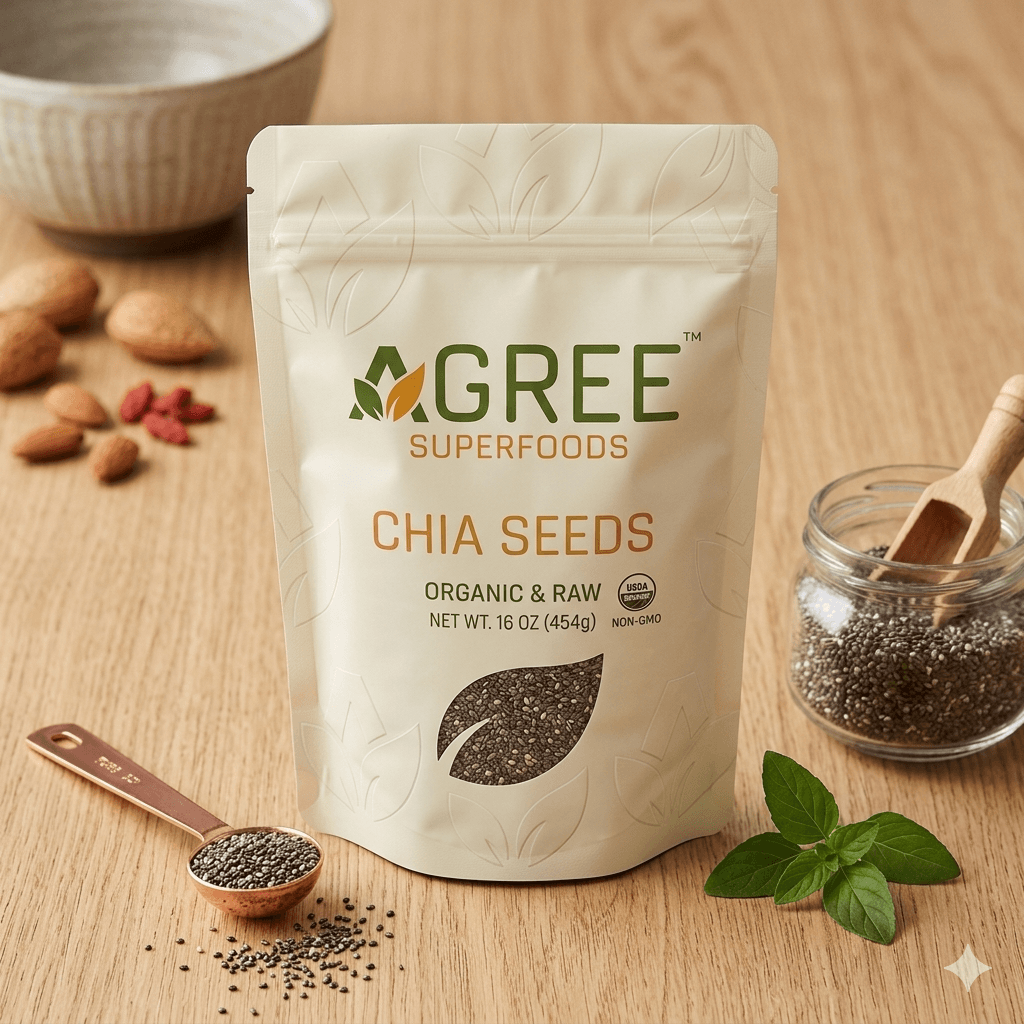
1. Chia seeds for weight loss
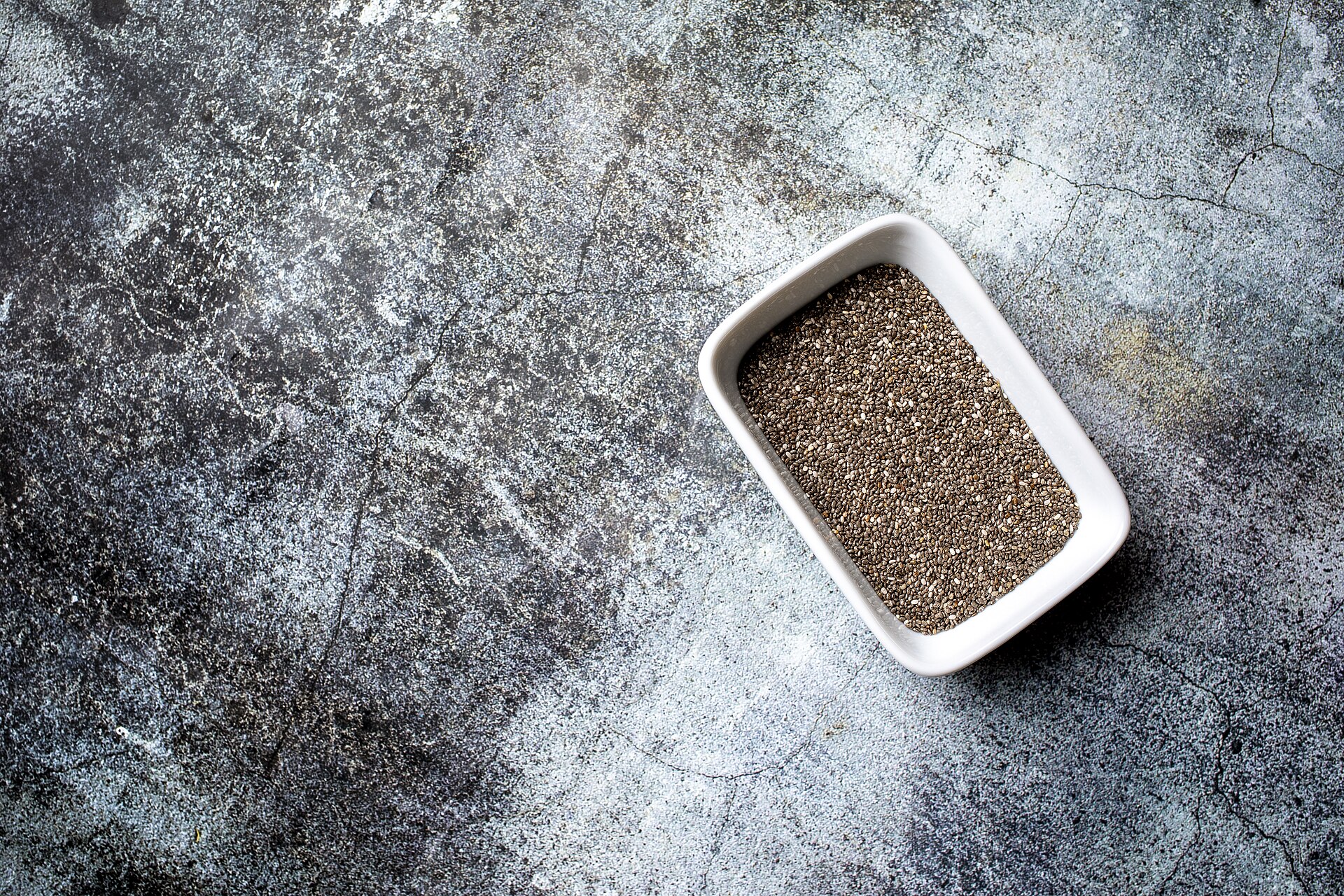
Chia seeds are one of the most popular seed choices in weight loss diets. They absorb water quickly and form a gel-like texture, which can make meals feel more filling.
Benefits of chia seeds
- high in fiber
- helpful in satiety-focused routines
- easy to include in drinks and breakfast bowls
- practical for people who want low-effort meal upgrades
How to use chia seeds correctly
- soak 1 spoon in water for about 20 to 30 minutes
- use in the morning or add to breakfast bowls
- mix into curd, smoothies, or overnight oats
- start with small amounts and increase gradually
Avoid consuming large dry quantities without enough water.
You can explore Chia Seeds for daily pantry use.
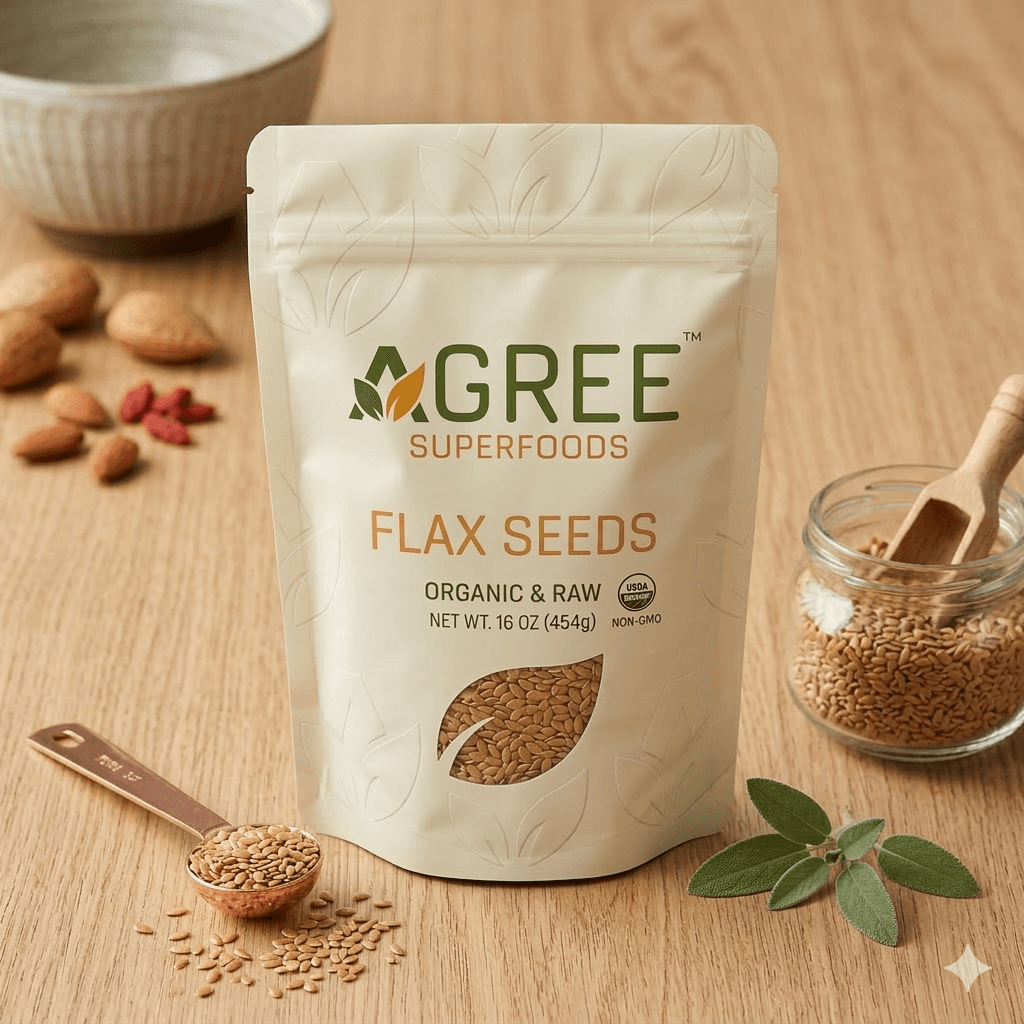
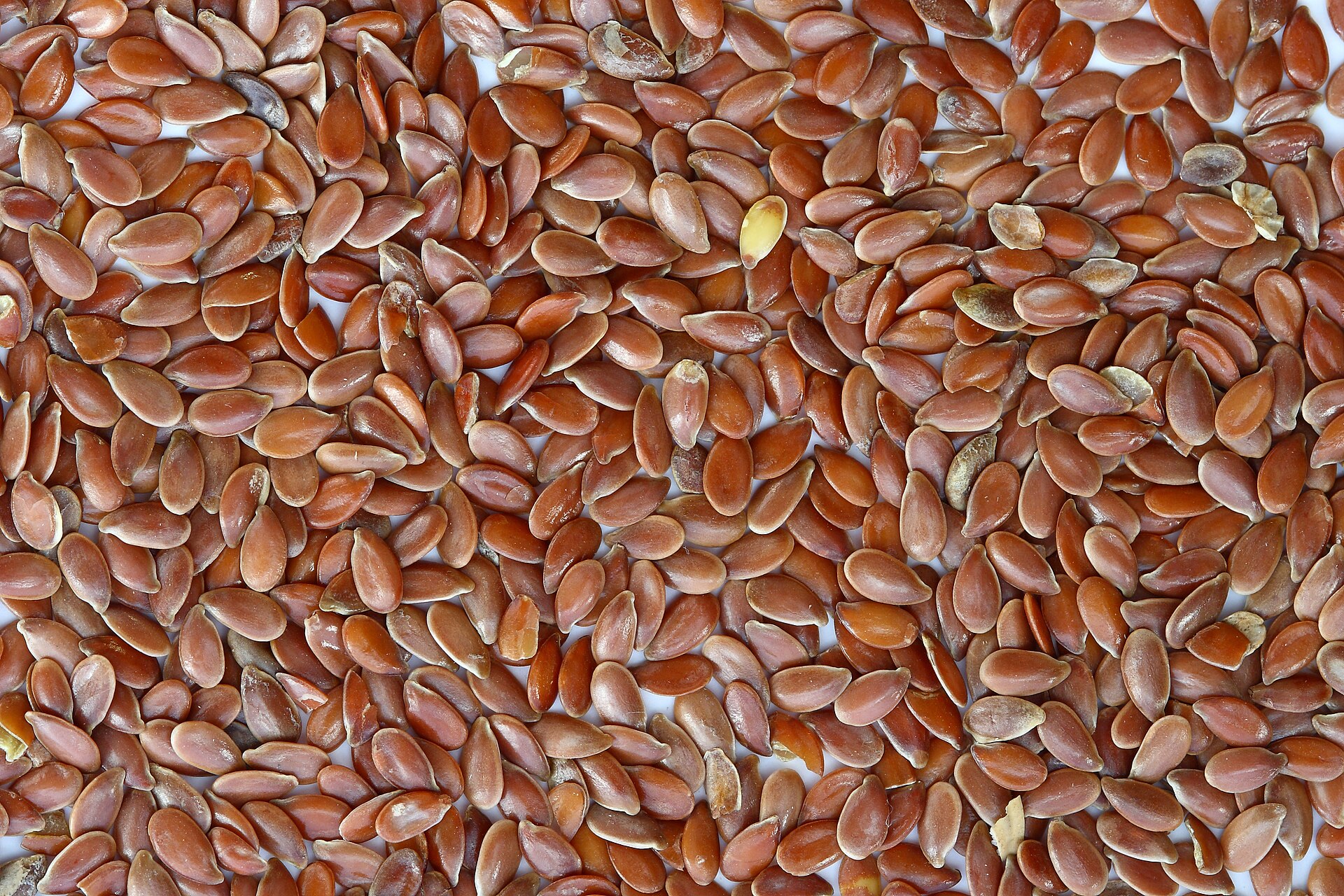
2. Flax seeds for weight loss
Flax seeds are another strong option when hunger control and digestion support are priorities. They are commonly used in Indian kitchens and pair well with everyday foods.
Benefits of flax seeds
- fiber-rich and easy to add to meals
- useful in balanced digestion-focused routines
- adds healthy fats to simple food
- supports better meal satisfaction
How to use flax seeds correctly
- lightly roast flax seeds
- grind into a coarse powder for easier use
- add 1 spoon to curd, salads, roti dough, or smoothies
- keep portions moderate and consistent
Whole flax seeds are often less convenient in daily meals than powder form.
You can browse Flax Seeds for routine meal use.
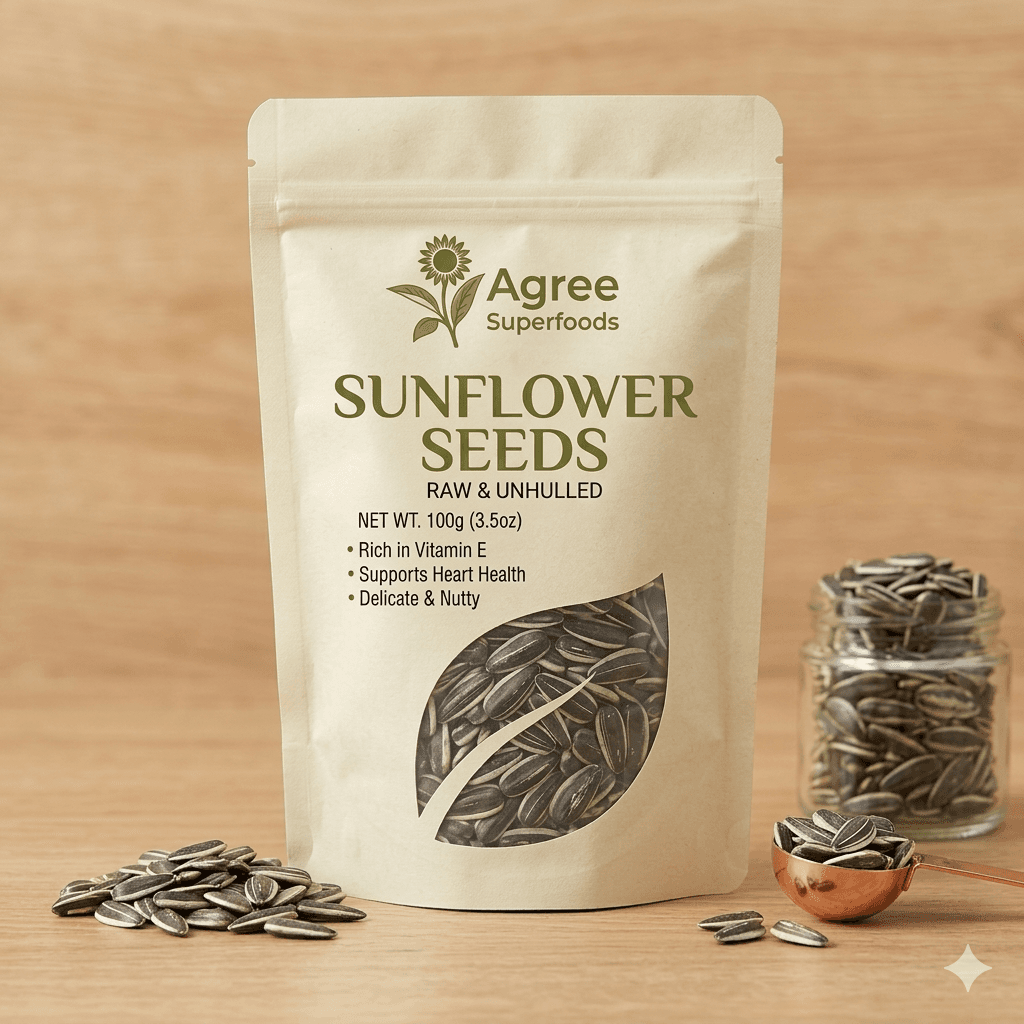
3. Sunflower seeds for weight loss
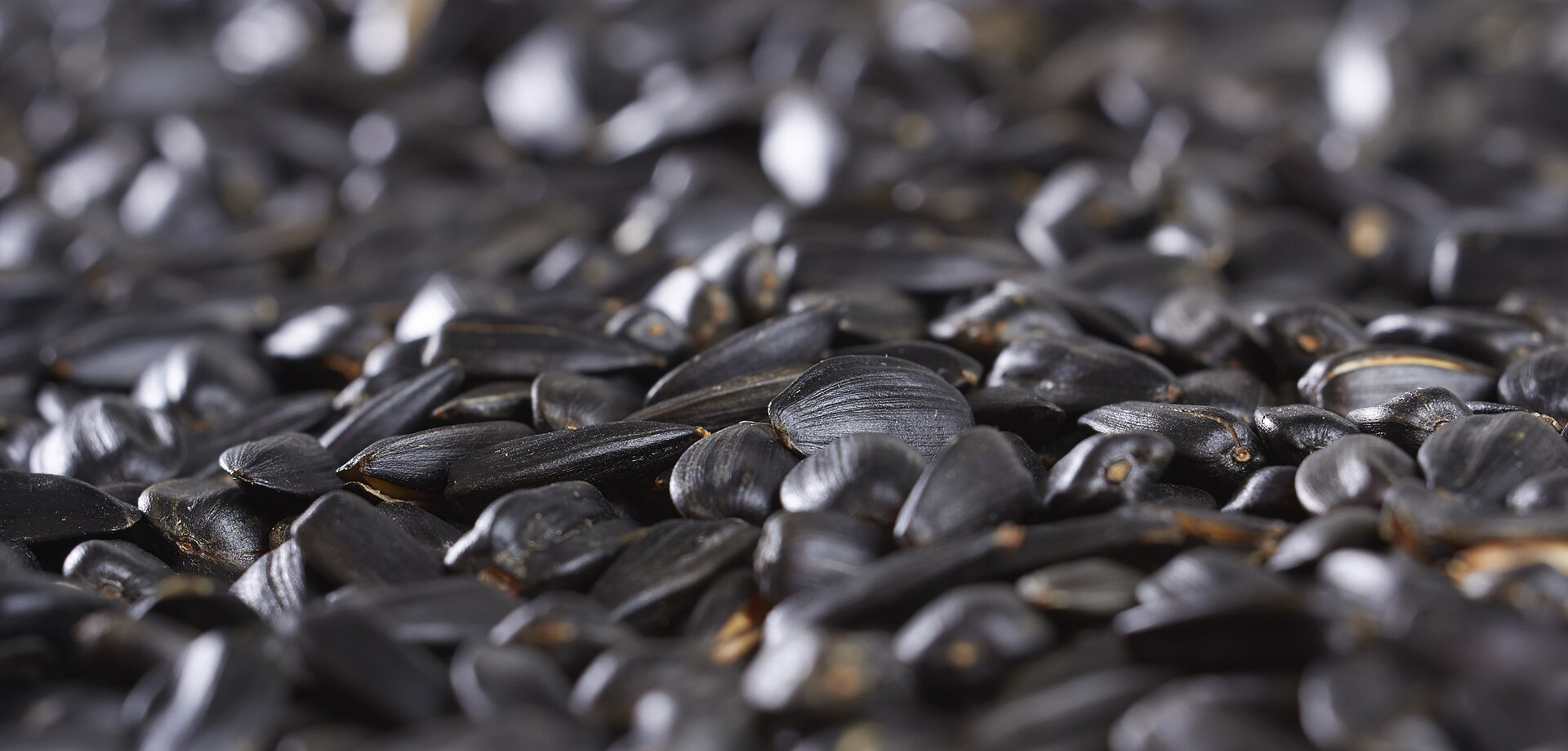
Sunflower seeds are a practical snack replacement when you are trying to cut down on chips, biscuits, or fried evening foods. They help create a better snack habit when portioned correctly.
Benefits of sunflower seeds
- easy snack alternative to processed foods
- adds healthy fats and some protein
- supports better snack quality
- helps reduce junk-food dependency in the evening
How to use sunflower seeds correctly
- keep to a small handful per serving
- add to salads or seed mixes
- combine with fruit or curd for better balance
- avoid oversized portions because they are calorie-dense
For direct use in your routine, see Sunflower Seeds.
4. Ragi for weight loss
Ragi is not a seed, but it is one of the most useful natural Indian foods for weight-management routines. It is usually chosen for breakfast because it feels filling and can reduce early hunger.
Benefits of ragi
- fiber-focused grain option
- supports longer fullness after breakfast
- practical replacement for highly refined foods
- easy to include in dosa, porridge, or roti formats
How to use ragi correctly
- use ragi flour in dosa, porridge, or roti
- pair with protein and vegetables when possible
- keep portions realistic and repeatable
- use it as one part of a full-day balanced routine
Ragi works especially well when combined with seed-based meals through the day. For a broader routine, see Balanced Diet for Fat Loss.
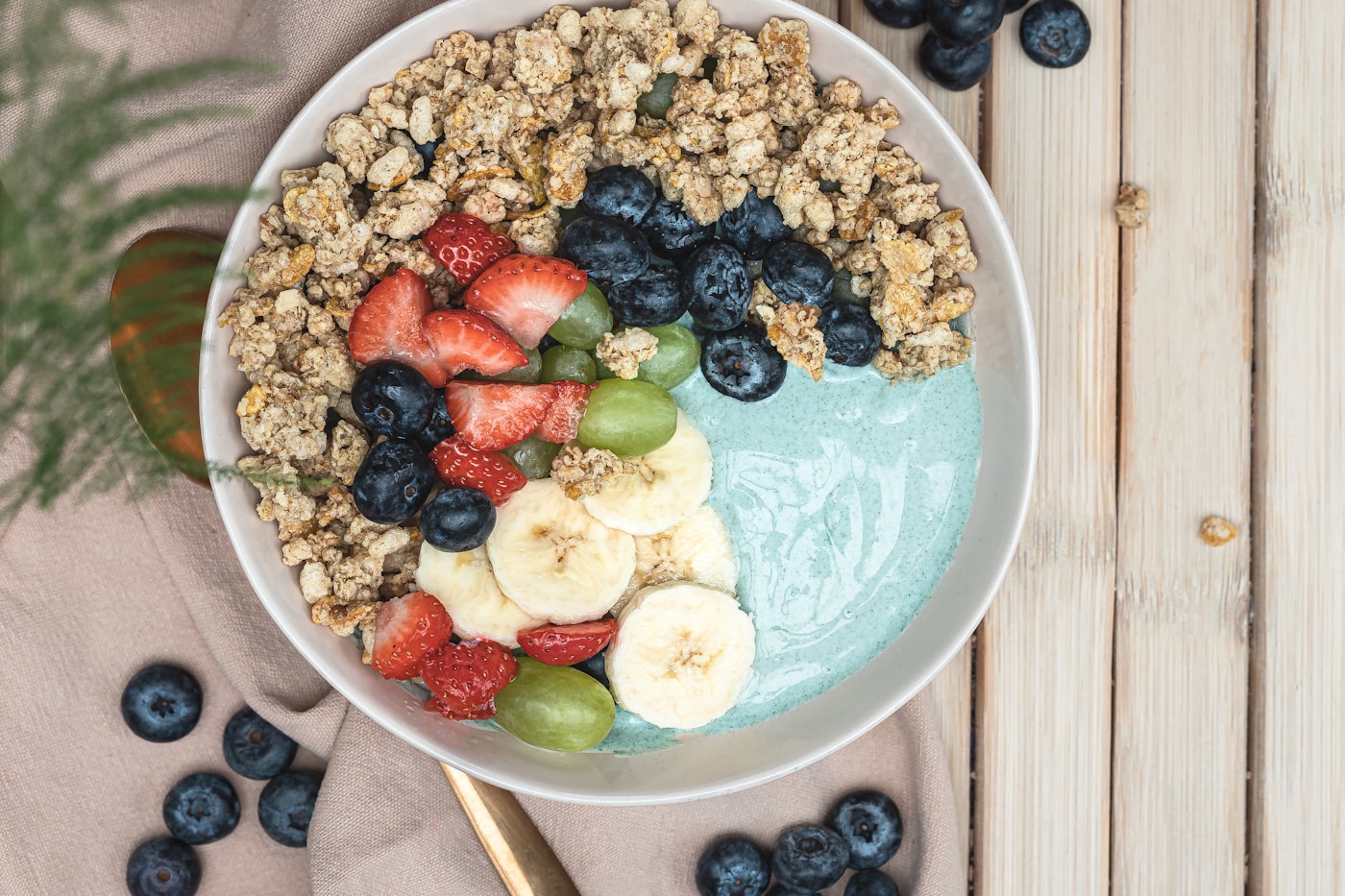
Best time to eat seeds for weight loss
A practical way to use seeds is to distribute them across the day instead of eating too much in one meal.
| Time | What to use | Example |
|---|---|---|
| Morning | Chia seeds | Soaked chia water or chia-curd mix |
| Breakfast | Ragi | Ragi porridge or ragi dosa |
| Lunch | Flax seeds | Flax powder in curd or roti dough |
| Evening | Sunflower seeds | Small seed snack with fruit |
This approach often helps appetite control better than random seed intake.
Common mistakes to avoid
Even healthy foods can become unhelpful when used incorrectly. These are the most common errors:
- eating too many seeds in one day
- expecting instant fat loss without activity
- adding seeds to sugary or ultra-processed meals
- not drinking enough water with higher-fiber foods
- eating dry chia in large amounts
The best results usually come from consistency, not intensity.
Simple daily seed routine you can actually follow
If you want a practical starting structure, use this:
- morning: soaked chia in water
- breakfast: ragi-based dish or oat bowl with seeds
- lunch: add flax powder to curd or vegetables
- evening: measured sunflower seed snack
- dinner: light balanced meal with protein and vegetables
This keeps your day realistic while improving meal quality.
If you want another related routine, continue with Daily Diet Plan for a Healthy Body.
Final takeaway
Seeds can be a useful part of a weight loss plan when they are used correctly and consistently. Chia seeds, flax seeds, sunflower seeds, and ragi each support different parts of a healthy routine, from hunger control to better meal structure.
The goal is not to chase quick-fix dieting. The goal is to build a repeatable food routine using natural ingredients you can continue long term.
Use small portions, stay consistent, and combine seeds with balanced meals, hydration, sleep, and regular movement. That is what turns good ingredients into real results.
Explore Agree
Continue from article reading into product pages, FAQs, and direct support if you want to know more.