Wholesale guides
End-to-End Support for Seeds Business: From Sourcing to Packaging
Learn how end-to-end support for sourcing, quality checks, packaging, private label, and bulk logistics helps seed businesses scale faster.
Read time
6 min read
Published
April 2, 2026
Sections
11 sections
Jump to section
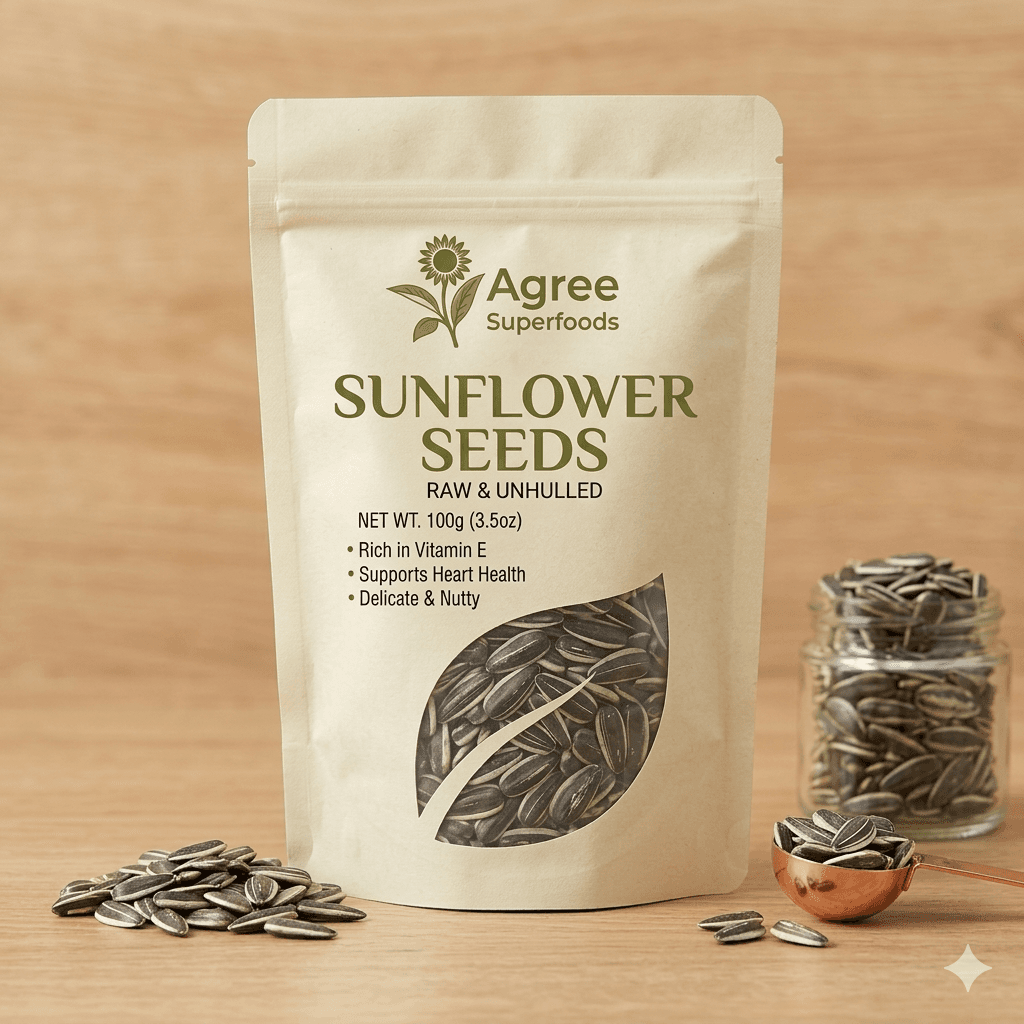
Starting a seeds business may look straightforward from the outside, but once operations begin, most teams realize how many moving parts are involved. It is not only about buying and selling. It is about building a stable supply chain that can deliver quality, consistency, and trust at scale.
From sourcing and cleaning to packing and dispatch, every step affects the final customer experience. A good product can still fail in the market if packaging is weak, labeling is unclear, or delivery is delayed. This is exactly why end-to-end support matters for retailers, resellers, and growing brands.
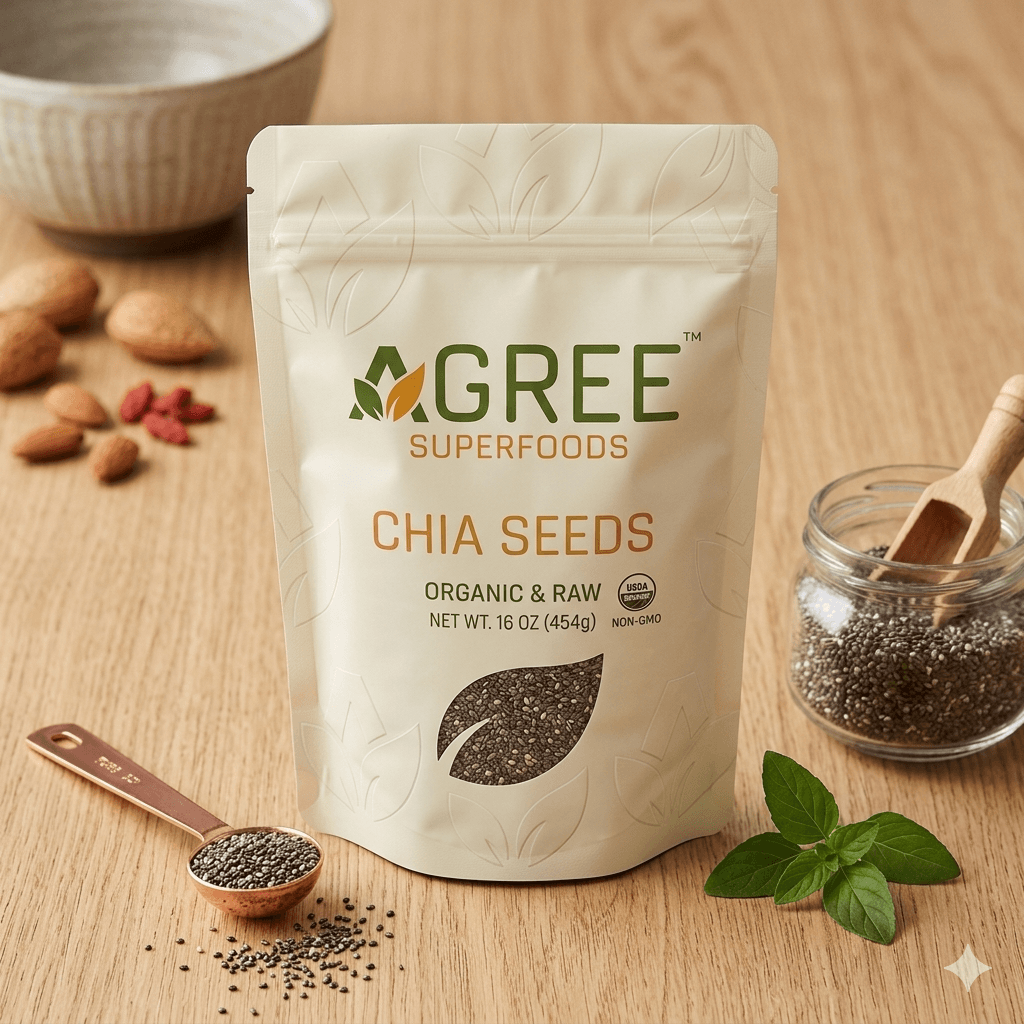
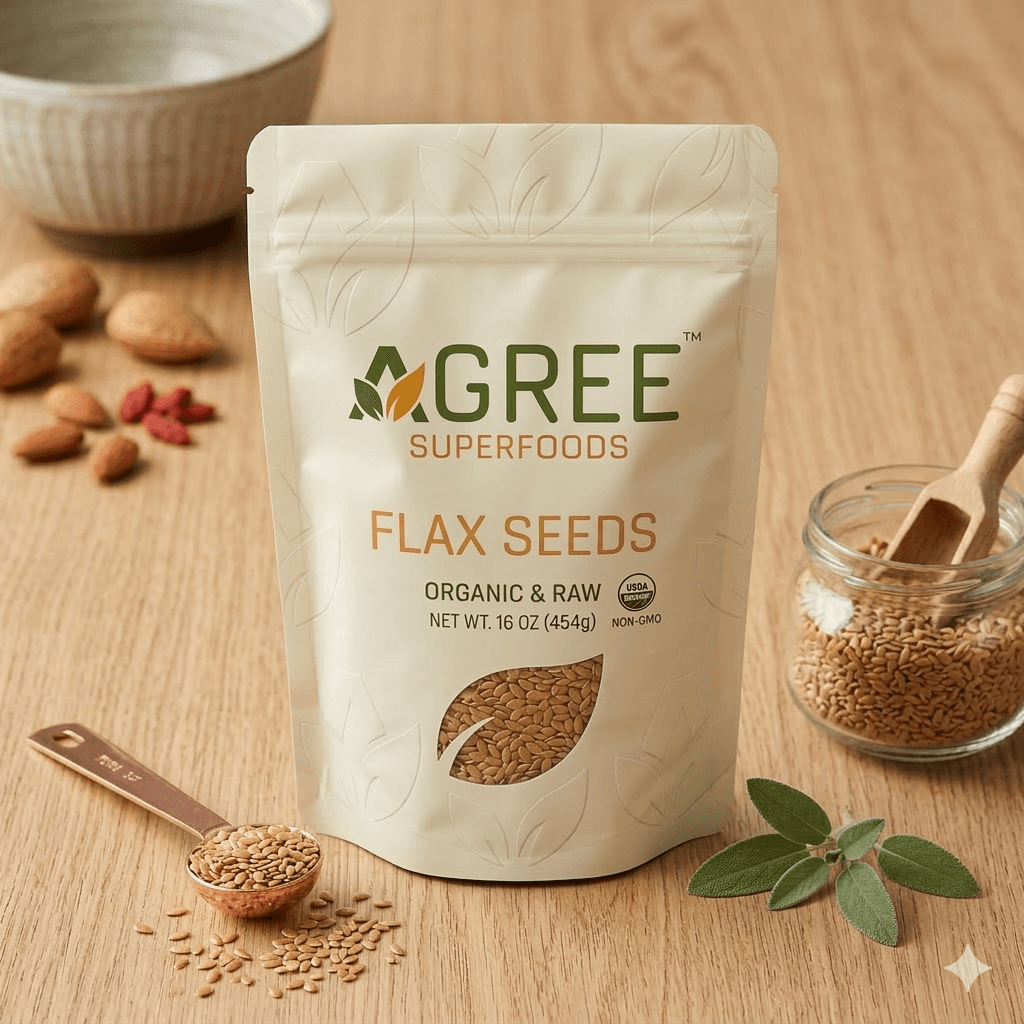
At Agree Superfoods, the approach is built around natural products and farmer-connected sourcing with practical wholesale support. For businesses working with categories like Chia Seeds, Flax Seeds, and Sunflower Seeds, operational support is often as important as the product itself.
What does end-to-end support mean?
End-to-end support means one partner helps you across the full business flow instead of you managing five or six separate vendors.
This can include:
- sourcing quality seeds and grains
- cleaning and sorting support
- bulk supply planning
- packaging and labeling execution
- private label or white label guidance
- GST billing and documentation
- dispatch and logistics coordination
For new and scaling businesses, this model saves time, reduces avoidable mistakes, and keeps output quality more consistent.
1. Reliable sourcing is the foundation
The quality of every seeds business starts with sourcing. If incoming material quality is weak, customers notice quickly through texture, freshness, and appearance. That leads to complaints, lower repeat purchase rates, and weak brand trust.
Reliable sourcing helps businesses avoid those issues early. A serious supplier should be able to explain:
- where products are sourced from
- how lots are selected
- how consistency is maintained over time
- what quality standards are followed before dispatch
For businesses evaluating wholesale partners, the first practical step is to discuss sourcing clarity and volume capability through the Wholesale page.

2. Cleaning and quality checking matter
Many buyers focus only on rate cards, but quality checking is equally important. Before packaging, seed lots should be cleaned, sorted, and checked for visible impurities. Poor pre-pack handling can reduce customer confidence even if the product category is strong.
Good pre-pack quality control improves:
- product appearance on shelf
- storage performance
- customer confidence
- repeat order reliability
For resellers and retail-facing brands, this step is especially critical because visual quality often drives first purchase decisions.
3. Packaging is more than just a cover
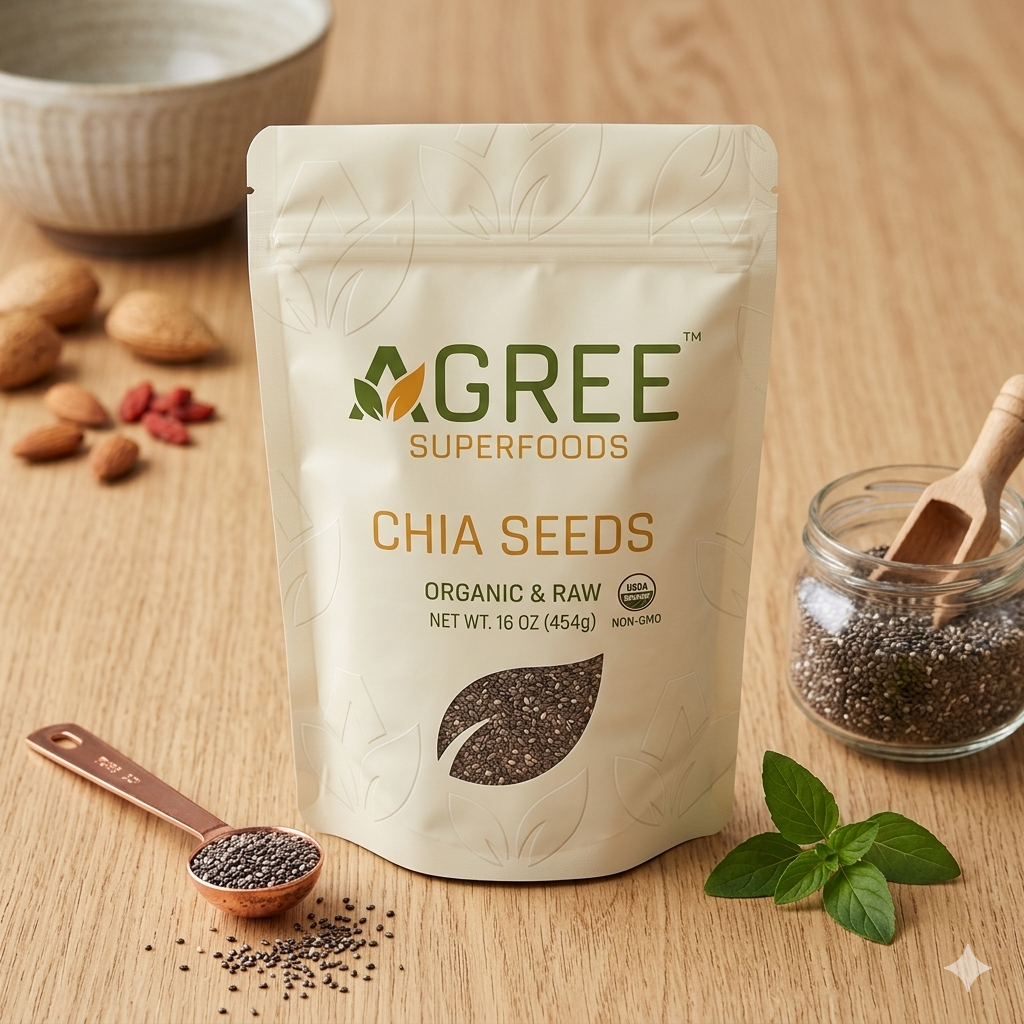
Packaging is your first physical brand touchpoint. Even good products can look low-trust when pack design, sealing, or labeling is inconsistent.
The right packaging strategy depends on business model:
- retail-first brands may need smaller consumer packs
- distribution-focused businesses may need larger quantity formats
- transparent windows can support product visibility
- resealable options can improve convenience perception
Businesses should choose packaging based on product behavior, shelf context, and channel needs, not only cost per pouch.
If you are building packaging for repeat wholesale or retail movement, start with practical options through Wholesale support and align on label requirements early.
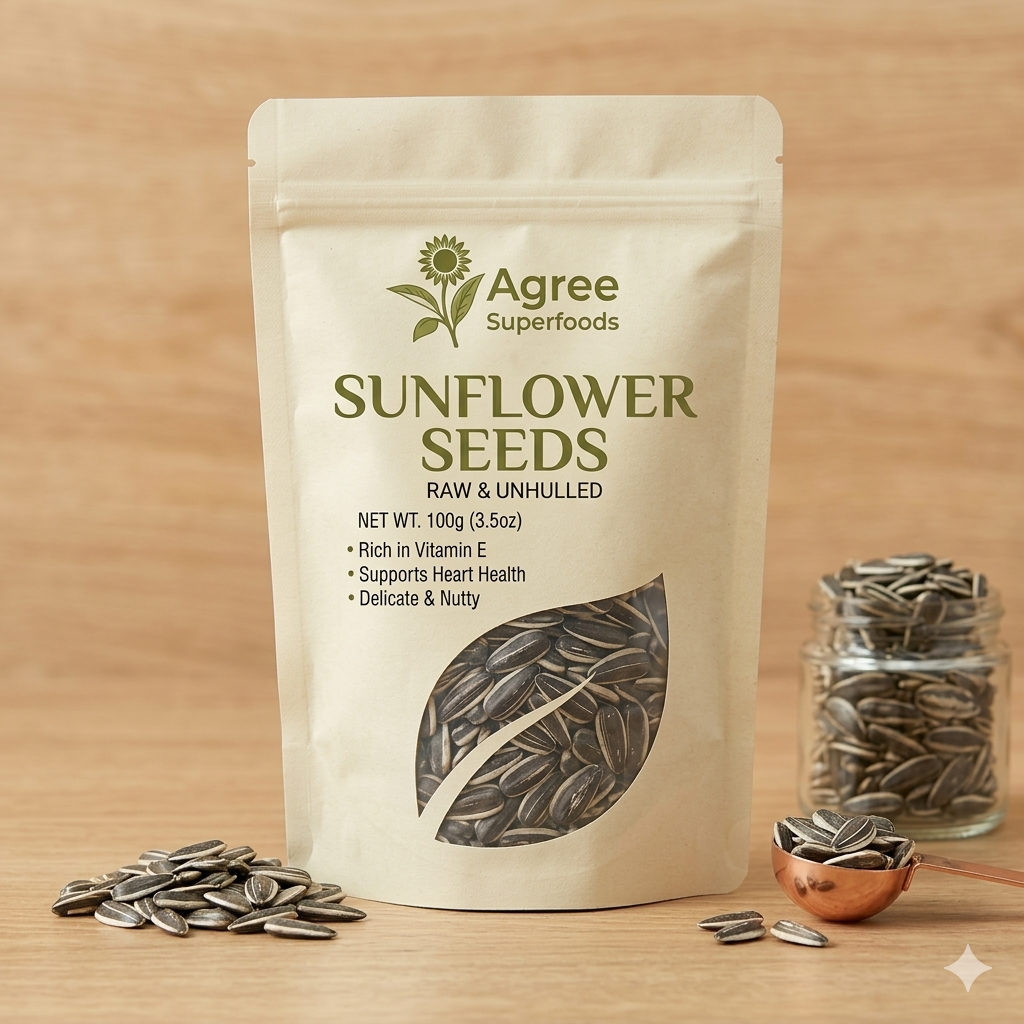
4. Private label and white label support
Many new founders want to launch under their own brand but do not want to build full production infrastructure from day one. Private label and white label models help solve that.
With private label support, businesses can launch products under their own brand while receiving backend support for sourcing, packing, and dispatch planning.
Typical support areas include:
- seed sourcing and lot preparation
- format and pack-size guidance
- label coordination and compliance details
- invoice and GST documentation
- bulk supply planning by cycle
This model is useful for:
- new startups entering natural foods
- local and regional retail stores
- online health-food sellers
- distributors expanding category range
- D2C brands testing new SKUs
For private or white label conversations, connect through Contact and Wholesale so requirements can be scoped properly.
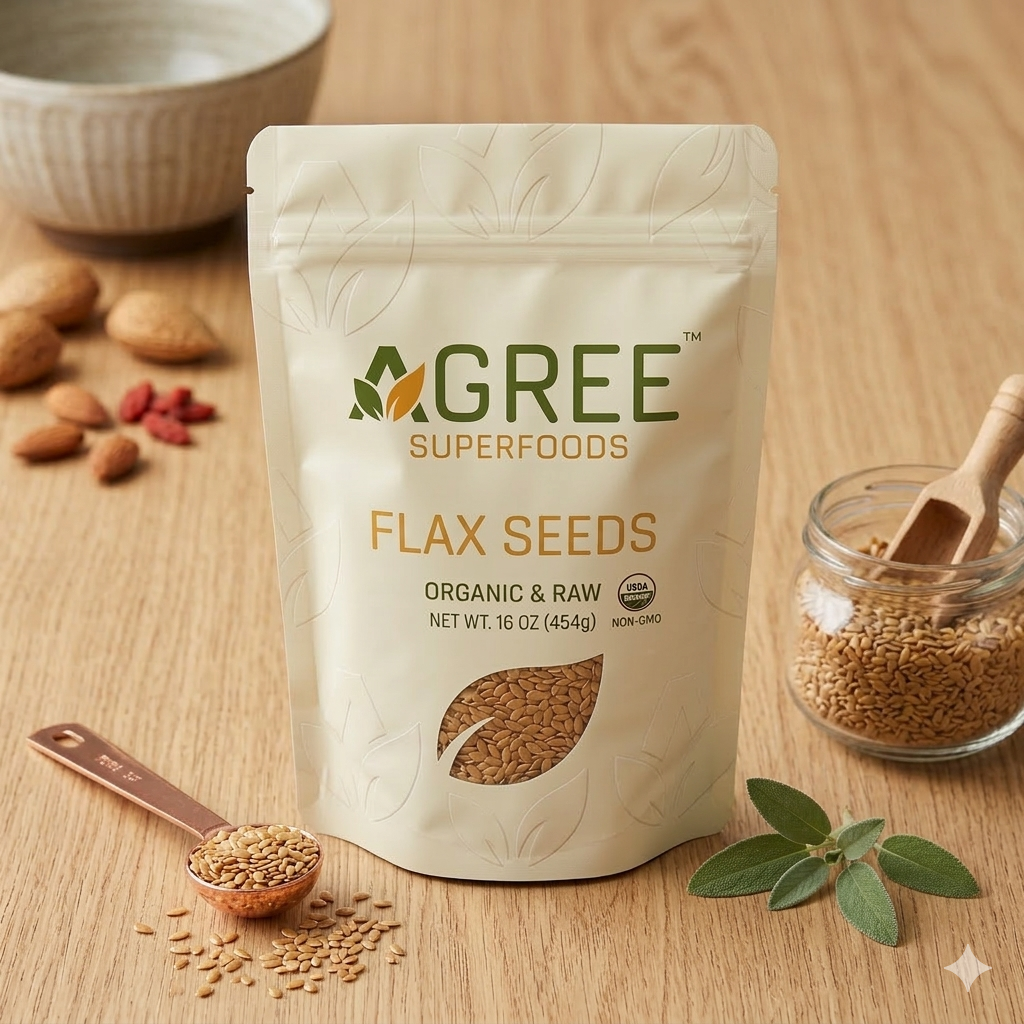
5. Bulk supply support for growing businesses
As demand grows, supply reliability becomes a major growth factor. Many businesses face a common issue: one or two good shipments, followed by irregular quality or delayed restocks.
Reliable bulk support helps teams:
- avoid stock-out cycles
- maintain consistent customer expectations
- fulfill repeat purchase demand
- improve planning for promotions and seasonal peaks
For categories like chia, flax, sunflower, and ragi-led food routines, continuity is critical. Growth becomes much easier when supply quality and timelines are predictable.
6. Delivery and logistics support
Operations do not end at packing. Products must reach safely, on time, and in sellable condition. Delays, transport damage, and poor dispatch communication directly impact business margins and trust.
A dependable partner should support:
- organized dispatch scheduling
- shipping-safe outer packaging
- basic logistics coordination
- order tracking clarity for bulk shipments
For distributors and retail chains, logistics reliability often decides whether a supplier can remain a long-term partner.
Why businesses prefer end-to-end support
Most businesses prefer end-to-end models because they simplify execution. Instead of coordinating separate vendors for sourcing, packing, labels, and transport, one aligned partner can streamline the flow.
This typically helps save:
- time
- operational effort
- communication overhead
- avoidable cost leakages
- execution stress for small teams
It also allows founders and buyers to spend more time on sales, distribution, and customer growth.
Quick checklist before choosing a wholesale partner
Before finalizing any supplier for seed categories, ask these practical questions:
- can they explain sourcing clearly?
- do they support cleaning and sorting standards?
- do they offer packaging options by channel?
- can they support private label or white label needs?
- are GST invoices and documentation clear?
- is bulk volume support predictable?
- do they offer consistent dispatch coordination?
A supplier that handles these points reliably is usually better for long-term scaling than a supplier focused only on lowest price.
Recommended internal resources
If you are planning to start or expand in this category, these pages are useful next steps:
- Wholesale for bulk and business support
- Contact for direct requirement discussions
- Chia Seeds
- Flax Seeds
- Sunflower Seeds
- Balanced Diet for Fat Loss
For ragi-related use guidance, you can currently refer to Daily Diet Plan for a Healthy Body while wholesale requirements are discussed on the business pages above.
Conclusion
Running a successful seeds business is not only about procurement. Growth depends on the full chain: sourcing quality, cleaning standards, packaging decisions, supply continuity, and logistics execution.
That is why end-to-end support is valuable for retailers, distributors, startups, and private-label brands. With one reliable partner and clear process support, businesses can scale with better confidence and fewer operational disruptions.
At Agree Superfoods, the focus remains on natural products, farmer-connected sourcing, structured wholesale support, and practical packaging pathways for growing businesses.
Explore Agree
Continue from article reading into product pages, FAQs, and direct support if you want to know more.