Snack ideas
Pumpkin and Sunflower Seeds for Everyday Snacking (2026)
Compare pumpkin and sunflower seeds for everyday snacking, and explore easy ways to use both in snack jars, lunch boxes, breakfast bowls, and simple pantry mixes.
Read time
5 min read
Updated
March 18, 2026
Sections
8 sections
Jump to section
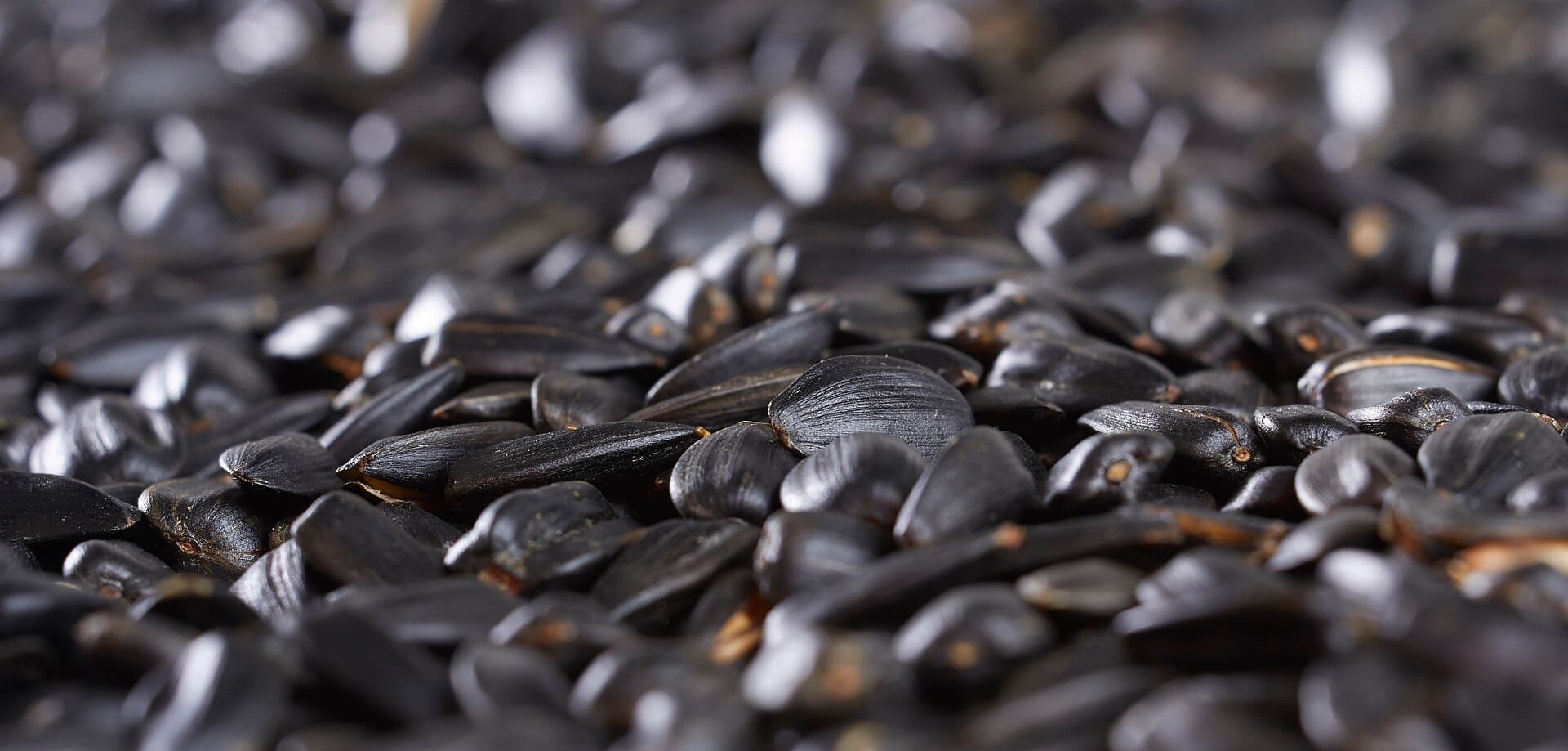
Everyday snacking works best when it is easy to repeat, easy to carry, and easy to enjoy without much planning. That is part of the reason pumpkin and sunflower seeds remain such useful pantry ingredients. They can move from breakfast bowls to lunch boxes to evening snack jars without needing a separate recipe mindset.
For people trying to reduce their reliance on heavily processed snacks, seed-based habits often feel more practical than dramatic. A small jar of seeds in the pantry can support several different moments in the day, while packaged snacks often do only one job. If you are exploring ingredient-led snacking more broadly, the healthy snack brands and superfoods guide offers a helpful comparison.
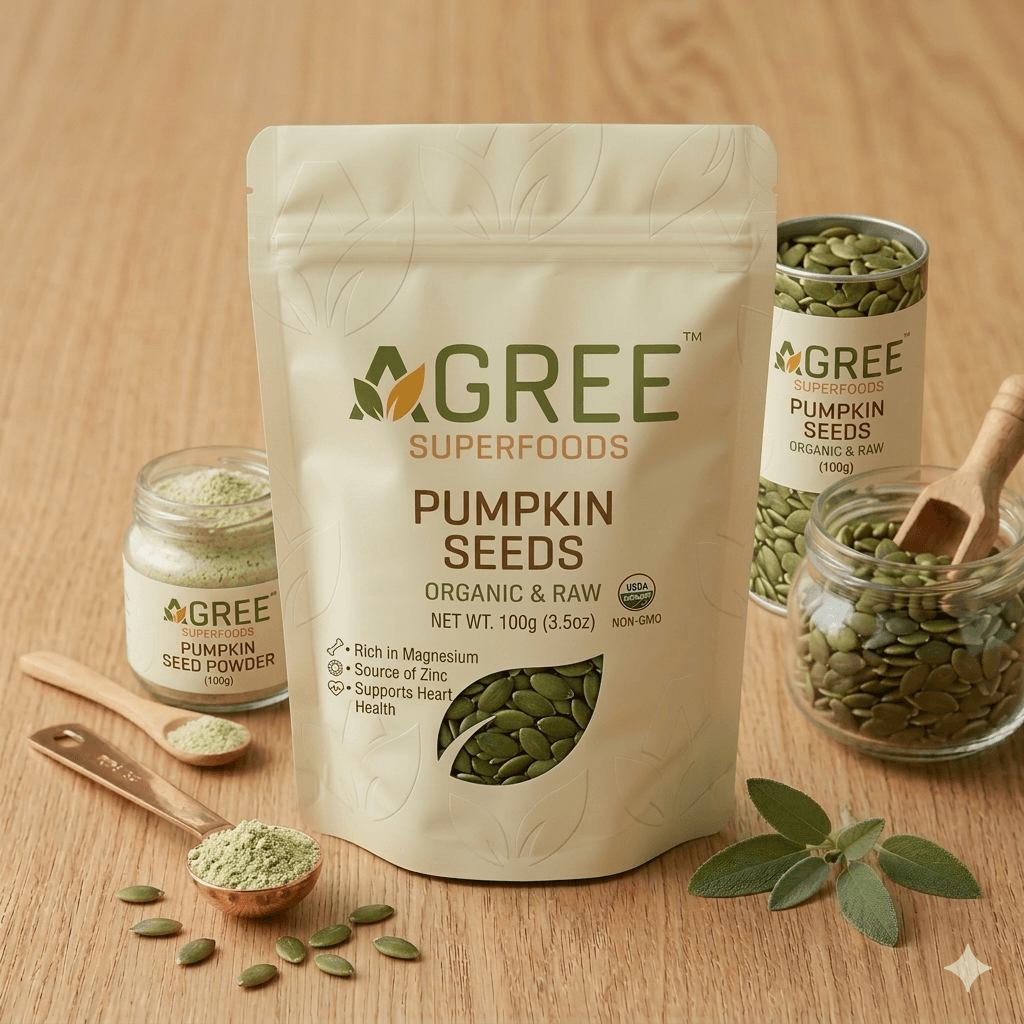
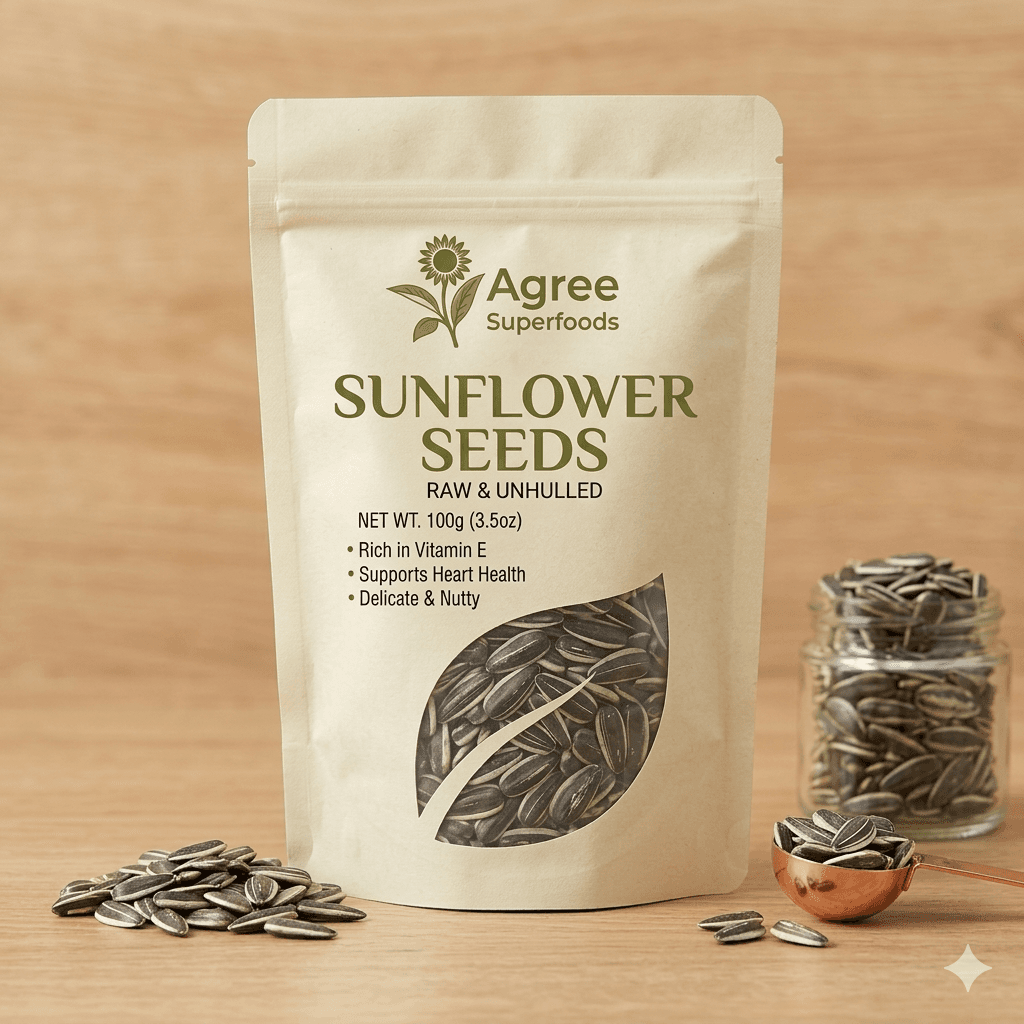
That is also why Pumpkin Seeds and Sunflower Seeds fit so comfortably into the Agree Superfoods range. They are clean, flexible, and easy to combine with familiar foods.
Why seed-based snacking works
Seed-based snacking is not only about nutrition. It is also about convenience and variety. The best snack ingredients are the ones people can actually keep around and keep using.
They fit more than one moment
Pumpkin and sunflower seeds can appear in breakfast bowls, mid-day snack jars, lunch boxes, office drawers, and light evening mixes. That flexibility gives them more real-world value than products tied to one narrow use.
They bring texture and balance
Snacking is often driven by texture as much as flavor. A little crunch helps foods feel more satisfying, which is why seeds work well in homemade trail mixes, topping jars, and light savory bowls.
They feel cleaner and easier to understand
Ingredients that are easy to recognize are easier to trust. Pumpkin and sunflower seeds do not need a complicated explanation, which makes them strong choices for households trying to build simpler snack habits.
How pumpkin seeds fit into snack routines
Pumpkin seeds usually feel bolder and more visually distinctive than sunflower seeds. They are especially useful when people want a more noticeable crunch in everyday snacking.
Best everyday uses for pumpkin seeds
- topping breakfast bowls
- adding texture to salads
- mixing into homemade trail blends
- using in crackers or granola-style recipes
Pumpkin seeds often feel slightly more premium in texture, which is one reason they work well in snack jars and curated pantry mixes.
How sunflower seeds fit into snack routines
Sunflower seeds often feel milder, softer in flavor, and more familiar for regular everyday use. That makes them especially approachable for households that want simple snack ingredients with broad appeal.
Best everyday uses for sunflower seeds
- adding to lunch box snack jars
- sprinkling over soups and salads
- mixing into bakery or granola recipes
- pairing with other seeds in topping blends
Sunflower seeds are useful when you want a seed that blends quietly into the background of a routine rather than dominating it.
Pumpkin seeds vs sunflower seeds
| Factor | Pumpkin seeds | Sunflower seeds |
|---|---|---|
| Texture | Bolder and crunchier | Lighter and milder |
| Best use | Snack mixes, salads, breakfast bowls | Toppings, lunch boxes, snack jars |
| Visual feel | More distinctive and premium-looking | Familiar and easygoing |
| Pantry role | Adds contrast and crunch | Adds variety without strong flavor |
This is why the two products work well together rather than competing with each other. One gives a snack mix more bite, while the other makes it easier to keep the flavor profile gentle and flexible.
A simple snack jar idea
One of the easiest ways to make these seeds useful is to create a small everyday snack jar that can be reached for during work, tea breaks, or school routines.
A simple combination could include:
- pumpkin seeds for crunch
- sunflower seeds for mild flavor
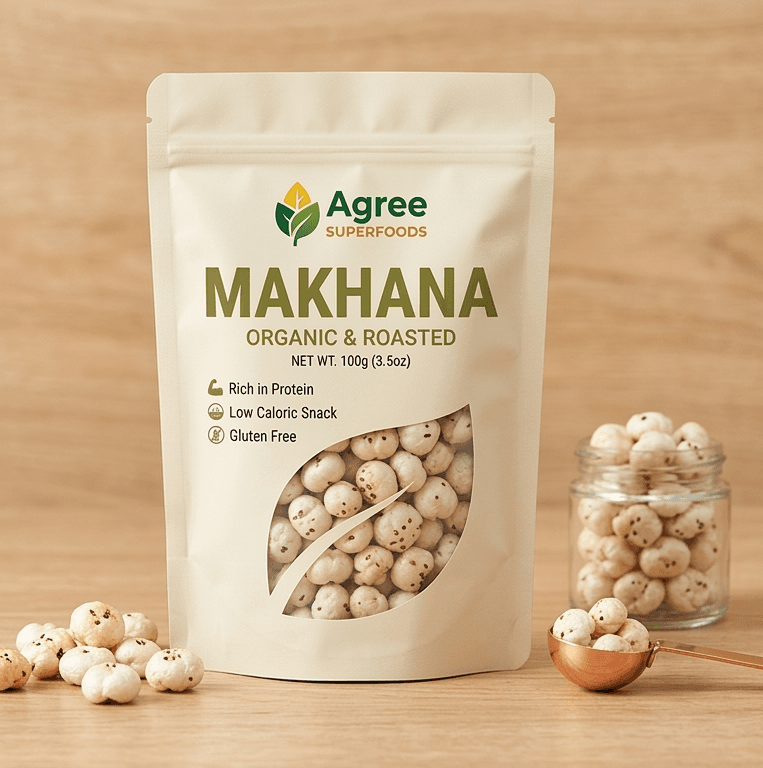
- Makhana for a familiar, snack-friendly base
This kind of jar is practical because it does not need to be prepared fresh every day. It sits in the pantry ready for quick use, which is often the difference between a good idea and a real habit.
When to keep both seeds in the pantry
Households often get better value from pantry ingredients when they keep a small set of complementary items rather than relying on one product for every job.
Keeping both pumpkin and sunflower seeds makes sense if you want:
- more variety in snack jars
- easier topping options for breakfast and salads
- simple lunch box or travel-friendly additions
- cleaner pantry alternatives to repetitive packaged snacks
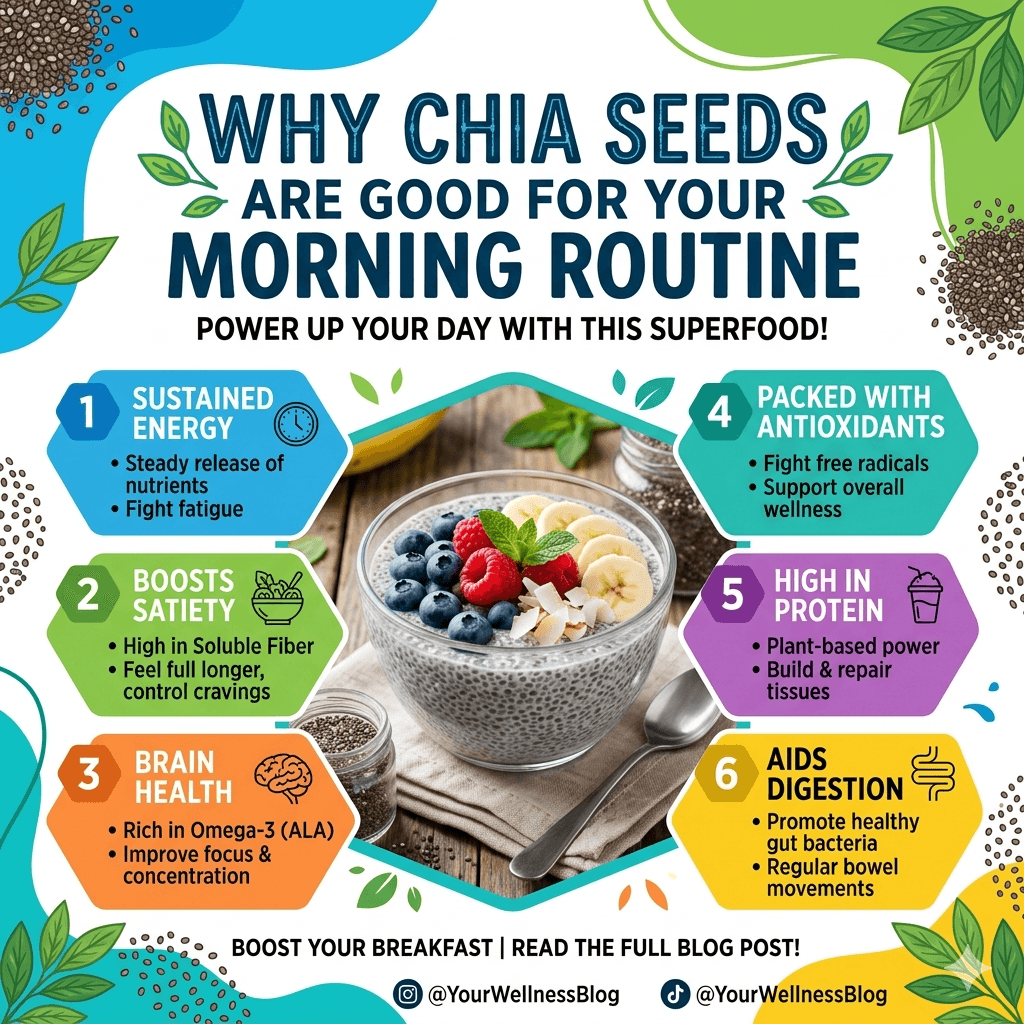
These are also the kinds of ingredients that work well alongside seed-led breakfast routines. If that is your next step, you can continue with Benefits of Chia Seeds in Everyday Diet or How to Use Flax Seeds Daily.
Why these seeds work well for modern snacking
The strongest snack ingredients are not always the loudest or most heavily branded. Often, they are the ones that fit real household rhythms without asking for much effort. Pumpkin and sunflower seeds do exactly that.
They are easy to portion, easy to pair, and easy to move between breakfast, lunch, and snack moments. That gives them lasting value in the pantry, especially for people who want snacking to feel steadier and less processed.
Final takeaway
Pumpkin and sunflower seeds have staying power because they make everyday snacking easier, not more complicated. Pumpkin seeds bring crunch and presence. Sunflower seeds bring a milder, more flexible feel. Together, they help build snack habits that feel practical enough to keep.
If you want a pantry that supports breakfast, lunch boxes, and quick in-between meals without leaning too heavily on packaged products, Pumpkin Seeds, Sunflower Seeds, and Makhana are a strong place to start.
Explore Agree
Continue from article reading into product pages, FAQs, and direct support if you want to know more.